Introduction
The presence of Russian drones in Romania has become an increasingly pressing issue in light of ongoing tensions in Eastern Europe. As NATO members, Romania plays a crucial role in regional security, and the introduction of these unmanned aerial vehicles (UAVs) raises alarm regarding both surveillance and potential military threats. Understanding the implications of these developments is vital for both policymakers and the public, as they reflect the broader geopolitical struggles currently at play.
Recent Incidents
In recent weeks, Romania has reported several incursions by Russian drones near its border. The Romanian Ministry of Defence confirmed sightings of these UAVs, which are believed to be conducting reconnaissance missions in the context of the ongoing conflict following Russia’s invasion of Ukraine. Notably, military experts suggest these drones are likely part of Russia’s attempts to monitor NATO operations and capabilities in Eastern Europe.
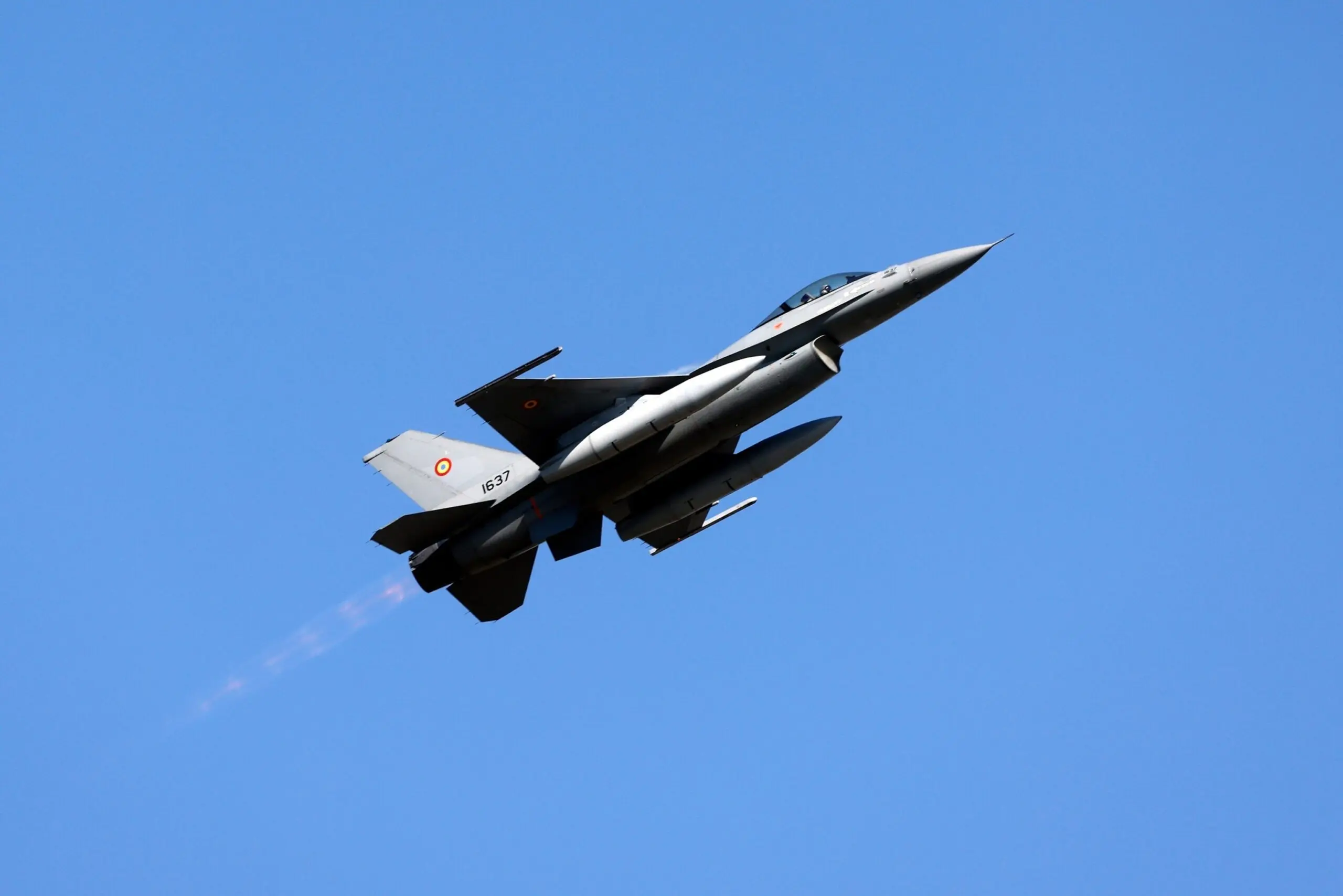
On a notable occasion, a Romanian military radar detected a drone trespassing into Romanian airspace on September 15, 2023. Authorities acted quickly, scrambling fighter jets to intercept the drone, but it successfully retreated before any engagement occurred. The event underscored the precarious nature of Romania’s security environment, bringing attention to the vulnerabilities faced by Eastern European nations amidst heightened hostilities.
Regional Security Implications
The incursions of Russian drones pose significant implications for regional security. Analysts suggest that these actions could be a strategic attempt to test Romania’s air defence systems and determine the country’s response protocols. As a member of NATO, Romania’s security is inherently linked to the collective defence of the alliance, and such provocations could necessitate a reassessment of military readiness in the region.
Moreover, the Romanian government has reinforced its commitment to enhancing aerial surveillance and defence capabilities. This includes increased military exercises alongside NATO allies, aimed at improving rapid response mechanisms should similar incidents recur. Romania is also looking to enhance its airspace monitoring technology to identify and track unauthorized UAVs effectively.
Conclusion
The emergence of Russian drones in Romanian airspace raises significant alarms about the country’s security landscape and the regional power dynamics at play. As tensions remain heightened in Eastern Europe, Romania’s proactive approach in countering these threats will be critical. Both government officials and military analysts must continue to monitor this situation closely, as the actions taken in response to these incursions will have lasting implications for both Romania and the broader NATO alliance. The evolving scenario demands vigilance and preparedness to ensure the safety and sovereignty of not just Romania, but the integrity of the entire region.
