Introduction
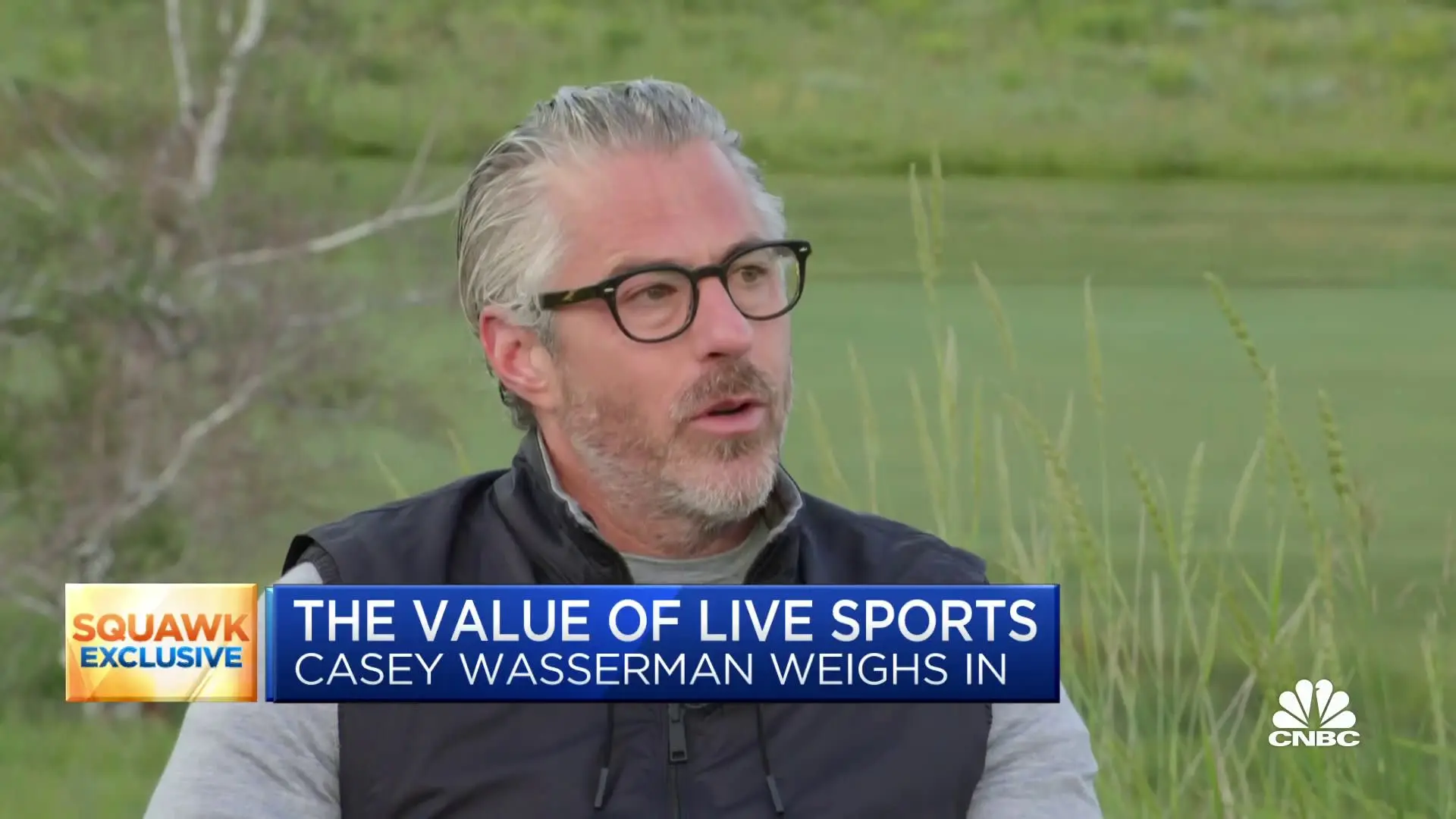
Casey Wasserman has emerged as a prominent figure in the sports management industry, transforming how athletes are represented and how sports businesses operate. As the head of Wasserman Media Group, he has built an empire that not only manages high-profile athletes but also consults on strategic partnerships across the sports landscape. His influence is particularly relevant today as the sports industry evolves with advancements in technology and changing consumer behaviours.
Wasserman’s Background and Rise
Wasserman was born on January 21, 1974, into a family with deep ties in the entertainment and media sectors; his grandfather founded the renowned Wasserman Media Group. After graduating from UCLA, Casey began his career in sports by working with his family’s company. By adeptly navigating the complexities of athlete representation, he began to acquire a diverse roster of clients, including some of the biggest names in sports.
Key Contributions
Under Wasserman’s leadership, the agency has expanded its operations beyond traditional athlete management. It now encompasses marketing, consulting, and brand development, making it a multifaceted powerhouse in the industry. His approach to athlete representation includes comprehensive support that goes beyond contract negotiation, ensuring that client’s brand alignment and public images are strategically managed. In recent years, Wasserman has led initiatives focusing on diversity and inclusion, aiming to reshape industry standards.
Recent Developments and Events
In 2023, Wasserman continued to make headlines with new partnerships and strategic deals. The company secured a multi-year agreement with several major sports leagues to enhance player visibility and engagement through social media platforms. Wasserman’s foresight in leveraging technology and digital marketing is setting new benchmarks for how sports marketing can enhance fan experiences.
Furthermore, Wasserman’s advocacy for mental health awareness among athletes gained traction, especially following discussions stemming from high-profile cases in various sports. His commitment to promoting athlete welfare has inspired other agencies to follow suit, leading to a greater focus on holistic athlete management.
Conclusion
Casey Wasserman’s contributions to the sports management landscape are undeniably significant, as he continues to influence not just the athletes he represents but the broader sports culture. As the industry faces new challenges and opportunities, Wasserman’s innovative strategies and commitment to social responsibility will likely shape its future direction. For readers interested in the evolution of sports management, keeping an eye on Wasserman’s approach and initiatives will be essential to understanding the changing dynamics in this field.
