Introduction
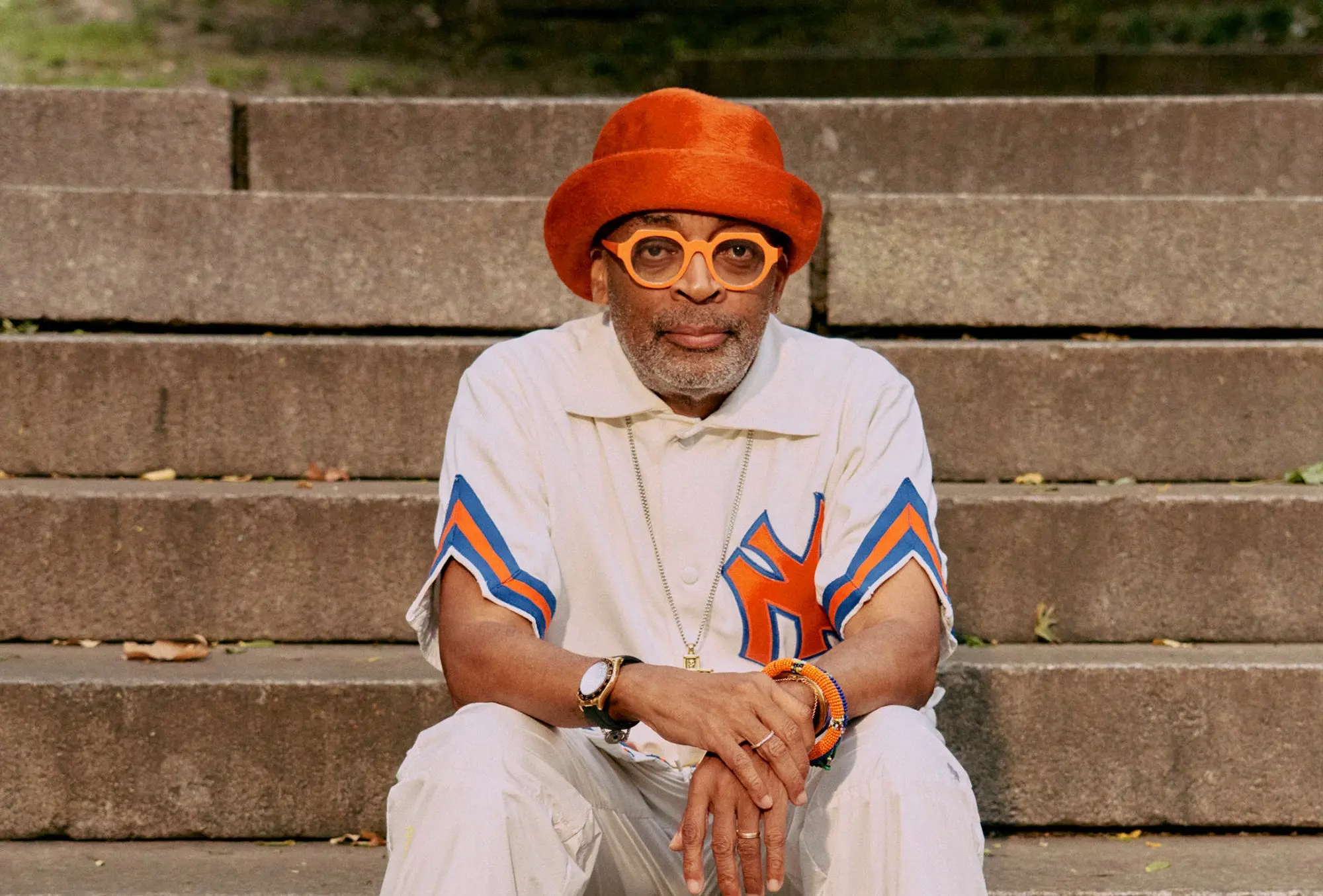
Spike Lee, a prominent figure in American cinema, is renowned for his innovative storytelling and unapologetic examination of race relations. His films often tackle issues surrounding identity, social justice, and inequality, making him one of the most influential directors of our time. As discussions about race and representation continue to dominate cultural dialogues, Lee’s work remains both relevant and necessary.
Career Highlights
Born on March 20, 1957, in Atlanta, Georgia, Spike Lee’s passion for film emerged early on. He earned a Master of Fine Arts from NYU’s Tisch School of the Arts, where he began to develop his unique voice in the film industry. His breakout film, She’s Gotta Have It (1986), was a pioneering work that transformed the landscape of independent cinema, showcasing the complexities of Black female identity.
Over the years, Lee has directed critically acclaimed films such as Do the Right Thing (1989), Mookie’s adventures in a Brooklyn neighbourhood highlight racial tensions, and BlacKkKlansman (2018), which examines systemic racism through a true story of an undercover Black detective infiltrating the Ku Klux Klan. His films have not only earned commercial success but have also consistently stirred conversation about race and equality in America.
Recent Developments
In 2023, Spike Lee continues to shape the film narrative with his upcoming project titled American Justice, which aims to critique the modern United States justice system’s shortcomings and highlight various social injustices. The film’s release is anticipated, especially in a time when racial disparities and social unrest are prevalent in the country, further emphasising Lee’s relevancy as a cultural commentator.
Conclusion
The significance of Spike Lee’s work cannot be overstated. With a career spanning over three decades, his films provoke thought and inspire change. As society grapples with issues of injustice and equality, Lee’s lens serves as a powerful reminder of the narrative’s importance in driving social dialogue. Audiences and critics alike await his future projects, anticipating the profound impact his storytelling will continue to have on film and society at large.
