Introduction
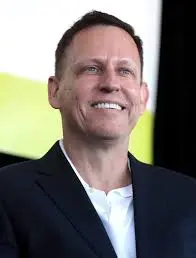
Peter Thiel, a prominent figure in the technology and investment landscape, has significantly influenced the direction of Silicon Valley and the startup ecosystem. His contributions extend from co-founding PayPal to being an early investor in Facebook, showcasing not only his business acumen but also his vision for the tech industry. Understanding Thiel’s impact is crucial as he continues to shape emerging companies and investment trends.
Early Life and Career
Born in Frankfurt, Germany, in 1967, Thiel moved to the United States at a young age. He graduated from Stanford University with a degree in Philosophy and later earned a J.D. from Stanford Law School. Thiel’s foray into the tech industry began with the launch of PayPal in 1998, where he served as CEO. The company transformed digital payments and set the stage for Thiel’s future investments.
Venture Capital and Investments
Thiel is known for his role as a venture capitalist through his firm Founders Fund, which has backed various successful companies including SpaceX, Airbnb, and Lyft. His investment philosophy often focuses on supporting innovation that challenges established norms. A key example is his belief in the potential of breakthrough technologies, particularly in industries such as artificial intelligence and biotechnology.
Thiel’s Philosophy and Controversies
Beyond his financial success, Thiel is also known for his controversial opinions on a range of topics, including technology’s impact on society and the future of democracy. His book, Zero to One, discusses the importance of creating something new, rather than merely competing in existing markets. However, Thiel’s views have sparked debate, particularly his stance on monopolies and government involvement in tech. Critics argue that his support for monopolistic practices undermines competition.
Political Involvement
Thiel’s influence extends into the political realm, particularly through his support for various candidates and initiatives. He was a vocal supporter of Donald Trump during the 2016 presidential election, a move that drew both praise and criticism from various circles within the tech community. His political contributions and affiliations continue to evolve, influencing public discourse on technology and governance.
Conclusion
Peter Thiel remains a formidable force in the landscape of technology and investment. His vision for innovation and willingness to challenge conventional wisdom has made him a key player in shaping the future of startups and technology. As industries evolve and new challenges emerge, Thiel’s strategies and insights will likely continue to attract attention, making it essential for entrepreneurs and investors to keep a close watch on his activities.
