Introduction
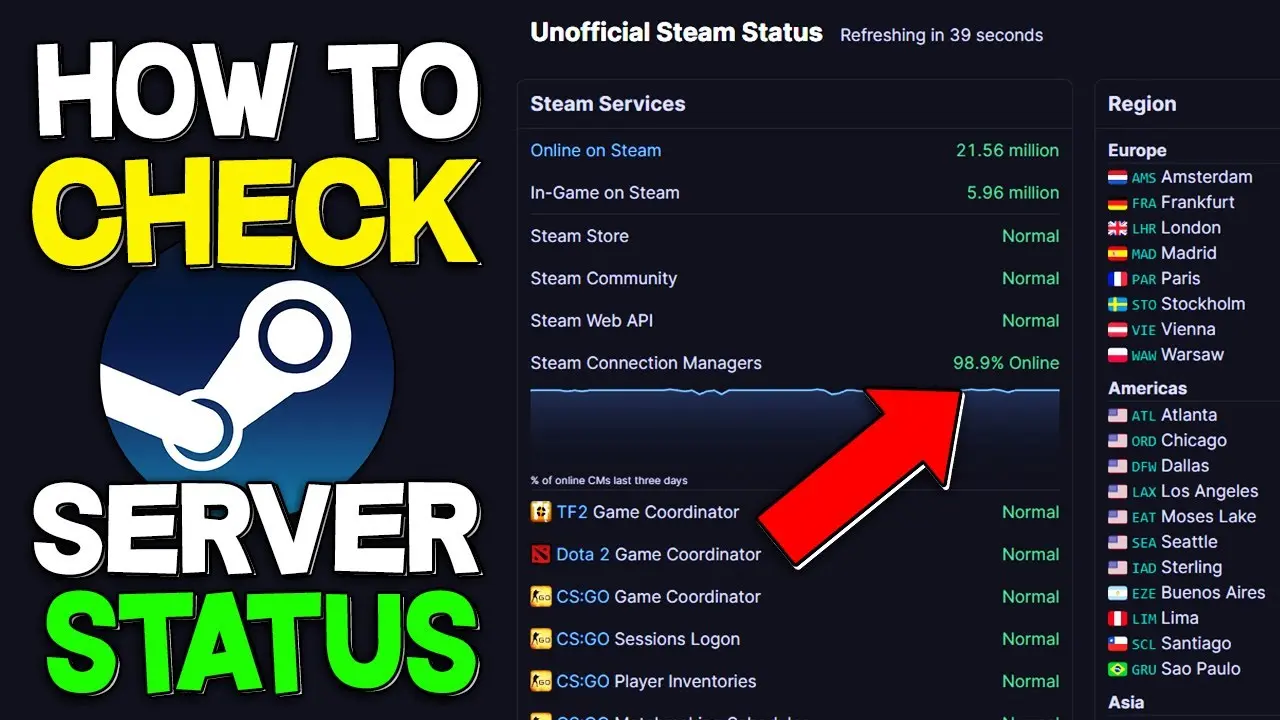
Steam servers play a crucial role in the landscape of modern gaming, acting as the backbone for millions of players around the globe. Developed by Valve Corporation, Steam is not just a platform for game purchases; it also provides essential online services, multiplayer functionalities, and a thriving community. With a significant portion of the gaming market relying on Steam for distribution and connectivity, understanding the infrastructure behind these servers is vital for both developers and players alike.
The Functionality of Steam Servers
At its core, Steam servers enable the smooth hosting of multiplayer games, facilitate online matchmaking, and provide cloud storage for player data. According to recent reports, Steam boasts over 120 million active users monthly, demonstrating the staggering demand for high-performance servers capable of handling this volume of traffic. The network includes various dedicated servers, content delivery networks, and regional data centres, all tasked with ensuring fast and reliable connections for users, irrespective of their location.
Current Developments and Issues
In recent months, Valve has made headlines by investing in enhancing their server capacity and performance, particularly during peak gaming seasons. Persistent issues with server downtime or slow connections have prompted the company to explore advanced technologies, such as edge computing, to further decrease latency. In September 2023, Valve announced upgrades to its servers that aim to reduce latency by up to 30% for users in remote areas, a move expected to benefit both casual gamers and those engaged in competitive scenes.
Security Concerns
As Steam servers continue to evolve, so do the security challenges that come with large-scale online operations. With an extensive user base, the platform faces constant threats from cyberattacks, data breaches, and other malicious activities. Valve has been proactive in addressing these concerns, implementing two-factor authentication and regular updates to their security protocols. Moreover, a collaboration with cybersecurity experts ensures that the infrastructure on which Steam operates remains robust against potential threats.
Conclusion
Steam servers are pivotal to the gaming experience of millions worldwide, enabling connectivity and interactive experiences. The ongoing enhancements and investment in server technology highlight the platform’s commitment to maintaining a high-quality gaming environment. As the gaming industry continues to expand, users can expect even more reliable services, quicker response times, and greater security measures on Steam servers in the future. Understanding these developments not only informs players about the technological backbone of their favourite games but also signifies the importance of these servers in the broader digital economy.
