Introduction
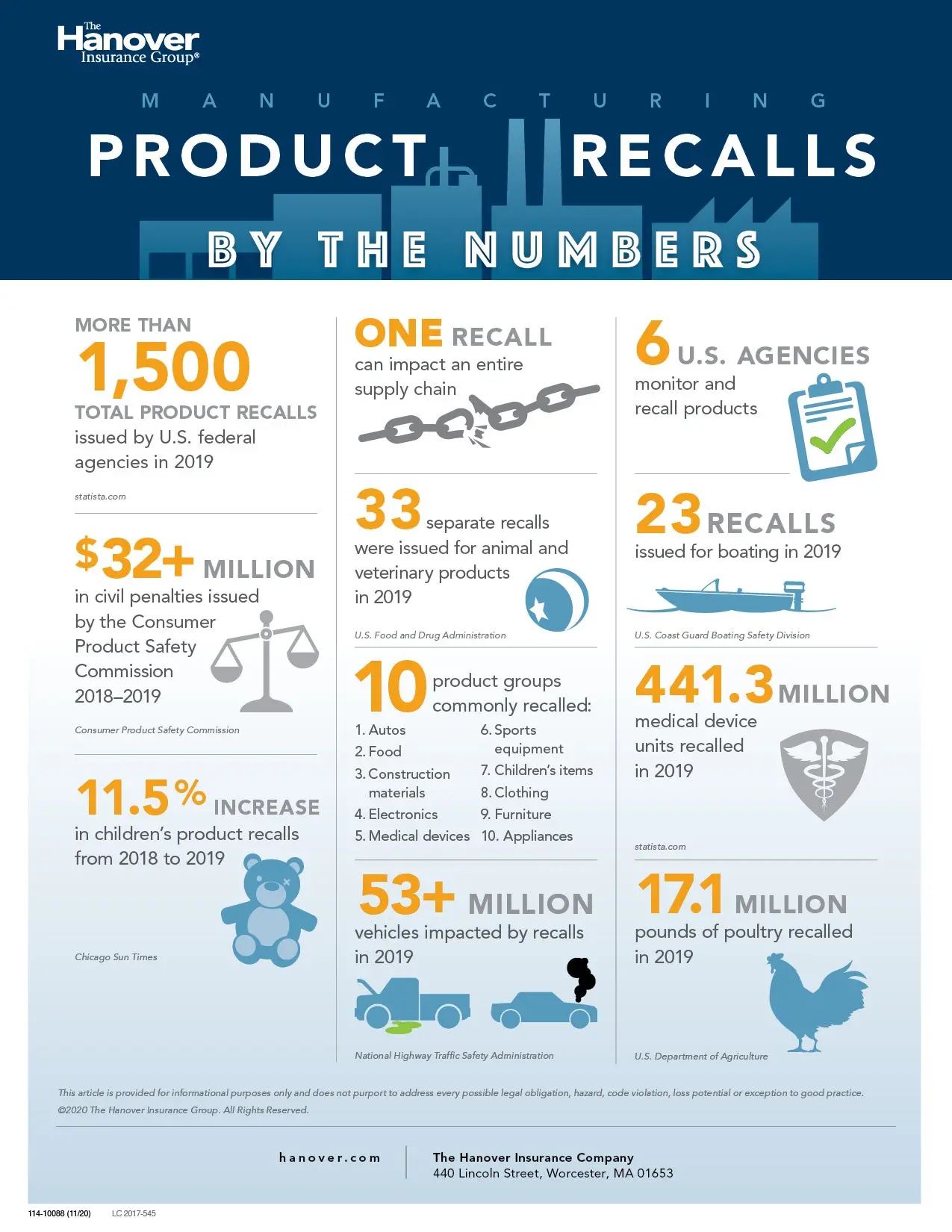
In today’s consumer-driven marketplace, product recalls serve as a crucial mechanism for ensuring public safety. When a product is deemed unsafe or defective, businesses are often obligated to address the issue swiftly to protect consumers. Product recalls can affect various sectors, from food and pharmaceuticals to electronics and automobiles. Understanding the significance of product recalls is vital for consumers, manufacturers, and retailers alike.
Recent Events in Product Recalls
In recent months, several high-profile product recalls have underscored the importance of vigilance in quality control. For instance, in October 2023, the U.S. Consumer Product Safety Commission (CPSC) announced a major recall of nearly 2 million baby cribs due to safety hazards related to design flaws that could pose suffocation risks. Similarly, food safety watchdogs in the UK issued a recall for popular snack products containing undeclared allergens, affecting thousands of consumers with allergies.
The Recall Process
The product recall process typically begins when a manufacturer or regulatory body identifies a potential hazard. This may follow complaints from consumers, reports from retailers, or findings from safety audits. Once a recall is initiated, companies are required to notify consumers through various channels, including press releases, social media announcements, and direct contact with retailers. Consumers are encouraged to return the recalled products for a refund, repair, or replacement.
Impact on Consumers and Industries
Product recalls can have significant repercussions for both consumers and manufacturers. For consumers, the immediate concern revolves around safety and health, particularly in cases involving food or medical products. For manufacturers, recalls can lead to financial losses, damage to reputation, and legal liabilities. Furthermore, the response to a recall is closely scrutinised by regulatory bodies, affecting a company’s compliance status and operational practices in the long run.
Conclusion
In conclusion, product recalls play an essential role in consumer protection and public health. The increasing frequency of recalls highlights the need for enhanced oversight and stricter quality control measures across industries. As consumers, it is crucial to stay informed about recent recalls and to understand the steps taken by companies to rectify potentially hazardous situations. Ultimately, proactive engagement with product safety can safeguard against risks and reinforce trust in the marketplace.
