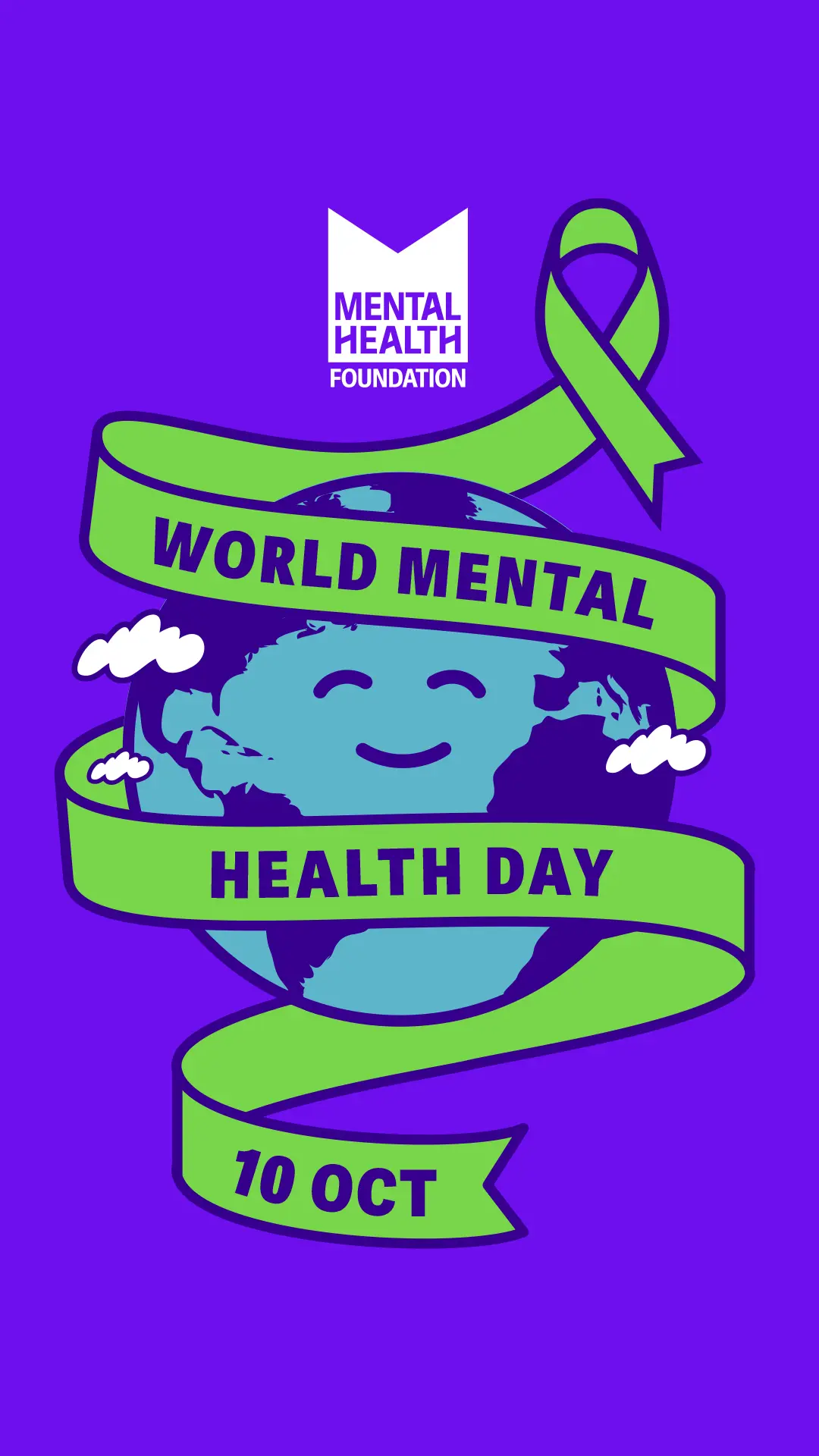
Understanding Mental Health Day
Mental Health Day, observed annually on 10th October, serves as a crucial occasion to raise awareness about mental health issues worldwide. Established by the World Federation for Mental Health in 1992, this initiative aims to educate societies on the significance of mental health and reducing stigma against mental illnesses. Given the rising concerns over mental health exacerbated by the COVID-19 pandemic, this year’s theme is more relevant than ever.
Current Trends in Mental Health Awareness
In recent years, mental health has taken centre stage in discussions, especially among the youth. According to the Mental Health Foundation, 1 in 4 people will experience mental health issues every year in the UK alone. Events like Mental Health Day provide an opportunity to foster conversations about these issues in homes, schools, and workplaces. Research indicates that providing an environment where individuals feel safe to discuss their mental health can significantly reduce the stigma surrounding it, leading to more individuals seeking help.
What is Being Done This Year
This year, numerous activities are planned, including community discussions, seminars, and online campaigns aimed at promoting mental wellness and encouraging individuals to seek help if needed. Schools are increasingly integrating mental health education into the curriculum, equipping young people with tools and resources for dealing with anxiety, stress, and other mental health challenges. The UK government has also pledged additional funding to improve mental health services, following the mental health crisis exacerbated by the pandemic.
The Role of Media and Influencers
Media outlets and social media influencers are playing pivotal roles in spreading awareness about Mental Health Day. Campaigns using hashtags like #MentalHealthDay2023 are trending on platforms like Twitter and Instagram, with celebrities and everyday people sharing personal stories about their mental health struggles. These testimonies not only humanise mental health issues but also inspire others to break their silence and seek help.
Conclusion: The Impact of Mental Health Day
As we observe Mental Health Day this year, it becomes imperative for individuals, communities, and governments to engage actively in these discussions. The journey towards better mental health awareness and support systems continues, and the collective responsibility lies with all of us. Awareness and understanding can lead to a culture that prioritises mental well-being, encouraging individuals to acknowledge their struggles and seek assistance. As we look to the future, the hope is for a society where mental health is treated with the same importance as physical health, fostering a more supportive and inclusive environment for everyone.
