Introduction
Hemp, a variety of the Cannabis sativa plant, has been gaining significant attention in recent years for its diverse applications and sustainability. As the world increasingly seeks eco-friendly solutions to pressing issues such as climate change and resource depletion, the relevance of hemp continues to rise. From biodegradable plastics to nutritious food products, hemp is proving to be a versatile crop that can benefit both the environment and economy.
The Versatility of Hemp
Hemp has been cultivated for thousands of years, primarily for its strong fibres used in textiles and ropes. However, its potential extends far beyond traditional applications. In recent developments, researchers are exploring hemp’s role in various industries:
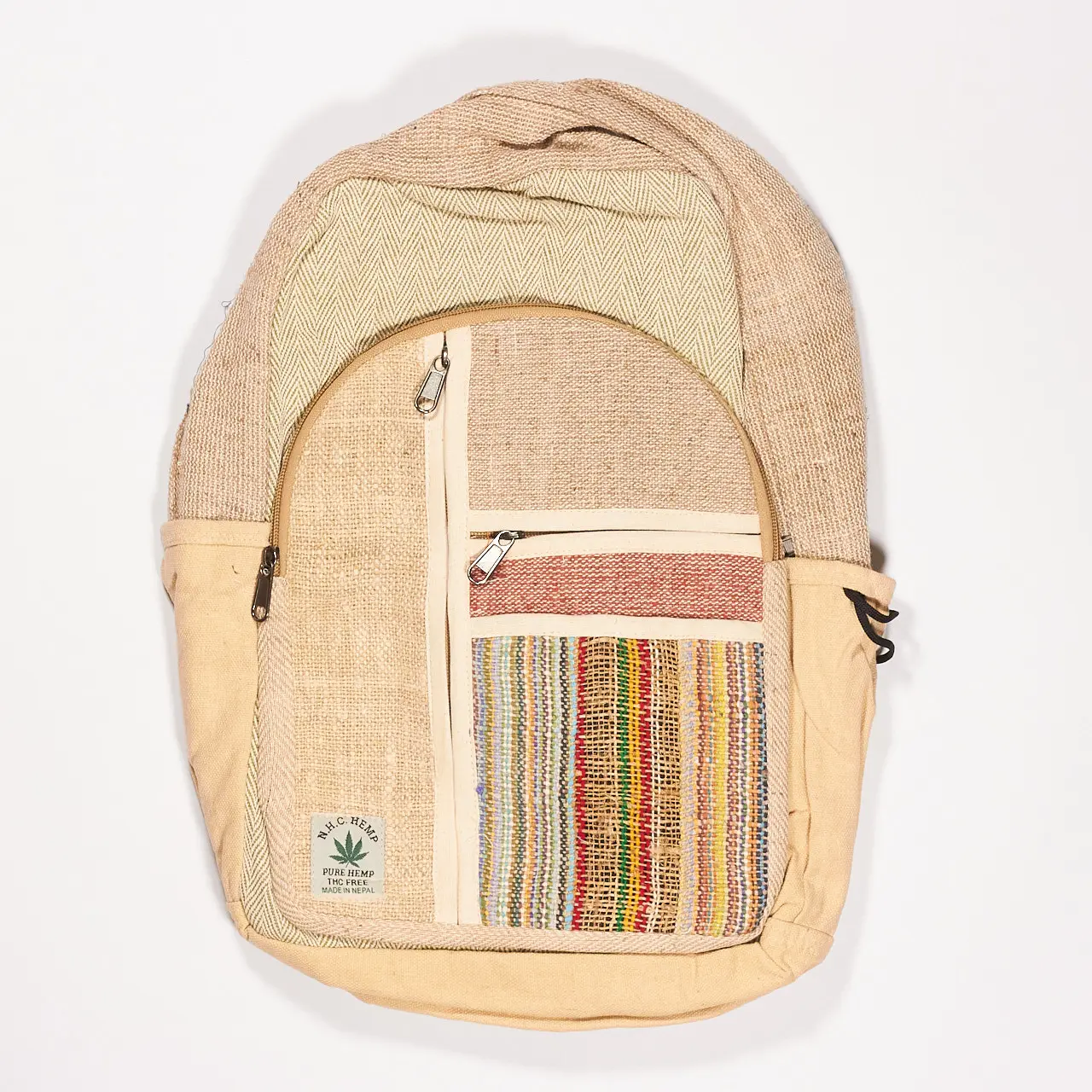
- Textiles: Hemp fibres are not only durable but also biodegradable, making them an excellent alternative to synthetic fabrics.
- Food: Hemp seeds are a powerhouse of nutrition, high in protein, omega fatty acids, and essential vitamins, making them a popular choice among health-conscious consumers.
- Construction: Hempcrete, a material made from hemp stalks, is a low-carbon alternative to traditional building materials, providing insulation and reducing energy consumption.
- Biofuels: Hemp can be processed into biofuels, offering a renewable energy source that could help reduce reliance on fossil fuels.
Economic Impact
The resurgence of hemp cultivation is not merely a trend; several countries, including the UK, Canada, and the United States, are increasingly recognising its economic potential. The global hemp market is projected to reach USD 26.6 billion by 2025, driven by rising demand for hemp-derived products. This creates an array of job opportunities in agriculture, manufacturing, and retail sectors.
Regulatory Landscape
Despite its potential, regulations surrounding hemp cultivation and sale vary significantly across different jurisdictions. The legalisation of hemp cultivation in many areas has enabled farmers to explore its benefits, but stringent regulations on THC levels can complicate these efforts. Ongoing advocacy for clearer guidelines and support for hemp farmers can foster its growth in the mainstream market.
Conclusion
As the world faces environmental challenges, the significance of hemp as a sustainable crop cannot be overstated. Its versatility across multiple industries, coupled with economic benefits, positions it as a key player in the push towards sustainability. Ongoing advancements in hemp cultivation and product development, along with supportive legislative changes, can propel hemp into the forefront of future agricultural practices. Consumers can also play their part by choosing hemp products, contributing to a greener planet while reaping the health benefits. In conclusion, hemp represents not just a crop, but a movement towards a sustainable and prosperous future.
