Introduction
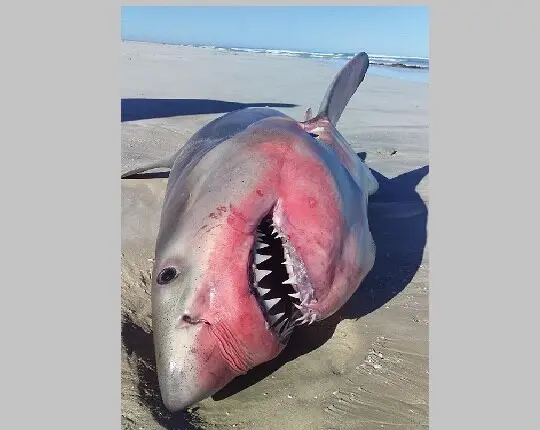
Great white sharks (Carcharodon carcharias) have long fascinated and terrified humans alike. As apex predators, they play a crucial role in maintaining the health of marine ecosystems. However, these majestic creatures are increasingly threatened by human activities, including overfishing, habitat loss, and climate change. The current conservation efforts aimed at protecting great white sharks are not only vital for their survival but also essential for the overall health of our oceans.
Current Status of Great White Sharks
According to the International Union for Conservation of Nature (IUCN), great white sharks are currently classified as vulnerable, with their populations declining in various regions around the world. Research has indicated that warming ocean temperatures and declining prey availability have negatively impacted their habitats. Furthermore, illegal fishing and shark finning continue to pose serious threats, making it imperative for conservation initiatives to be ramped up.
Conservation Efforts and Initiatives
Numerous organisations and governments are taking steps to protect great white sharks. For instance, the state of California has implemented a ban on shark finning, aiming to reduce the number of sharks killed for their fins. Additionally, the establishment of marine protected areas (MPAs) has proven successful in several regions around the globe, including parts of Australia, where there are specific protections for great white sharks within the sanctuary zones.
Moreover, technological advancements in tracking and monitoring have provided researchers with better insights into great white shark behaviours and migration patterns. Programs such as satellite tagging allow scientists to gather critical data that can inform conservation strategies. Non-profit organisations, like Oceana, are working tirelessly to promote marine conservation legislation, advocate for stricter fishing regulations, and educate the public on the importance of sharks in marine ecosystems.
Conclusion
The plight of great white sharks serves as a stark reminder of the challenges faced by many marine species today. Their decline signals a broader issue concerning the health of our oceans and the impacts of human activity. As awareness around these issues grows, so does the importance of conservation efforts that not only aim to safeguard great white sharks but also promote the overall welfare of marine environments. The call to action for collective responsibility in protecting our oceans is more critical than ever. By supporting these initiatives, individuals can contribute to a brighter future for the great white shark and the diverse ecosystems they inhabit.
