Introduction
Bills play a crucial role in everyday financial transactions, serving as written records of the goods and services purchased or rendered. Understanding their importance can help individuals manage their finances more effectively and ensure smooth interactions with service providers. In a world increasingly driven by digital payments and online services, the relevance of bills persists, providing a reference for accountability and legal protection.
The Role of Bills
Bills serve multiple purposes in personal and business contexts. Primarily, they function as requests for payment for services rendered or products delivered. Each bill itemises the details of the transaction, including prices, quantities, and applicable taxes, offering transparency to the buyer. Furthermore, bills act as crucial documents for budgeting and financial tracking. By keeping a record of monthly bills, individuals can better understand their spending habits and identify areas for saving.
Current Trends and Impacts
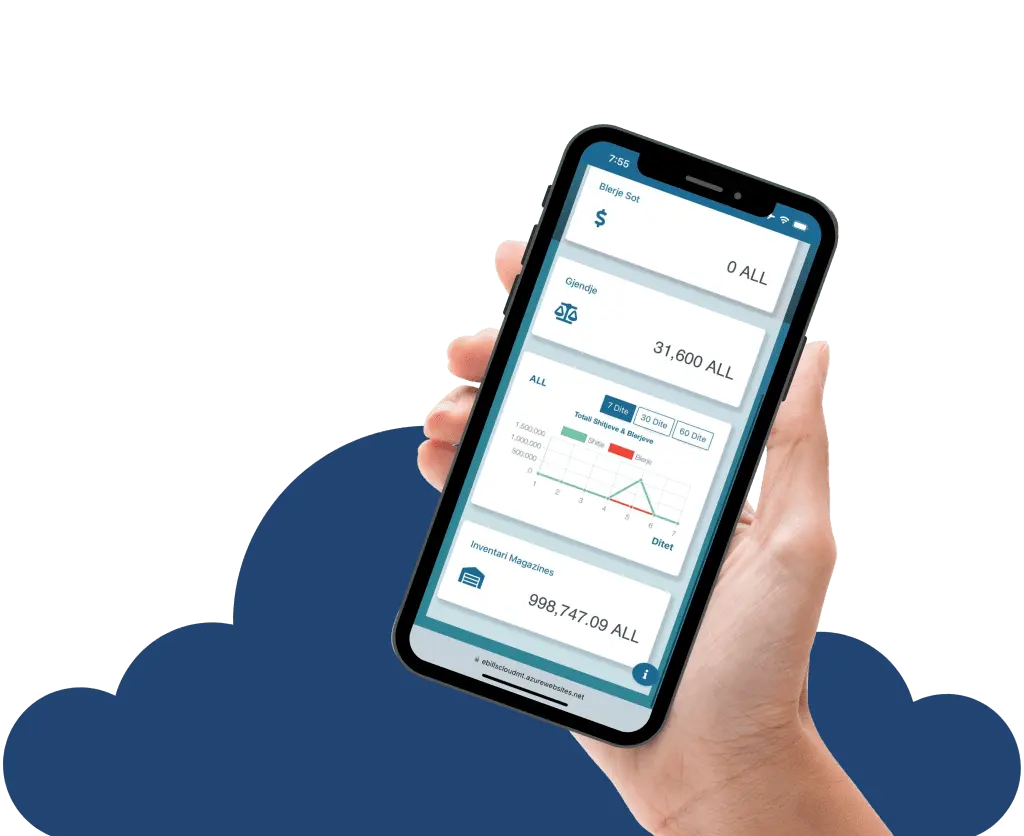
Recently, the conversation surrounding bills has evolved due to the rise of electronic billing systems. Many companies now offer digital invoices to streamline the payment process. These electronic bills provide consumers with added convenience, enabling easy access to their billing history and facilitating timely payments. According to a report by Statista, the electronic billing market is expected to grow significantly, driven by growing smartphone penetration and advances in financial technology.
Challenges with Bills
Despite the advantages, several challenges remain associated with bills. One of the most significant issues is the rise in bill pay scams, where fraudulent entities send fake bills to solicit payments. Consumers must remain vigilant and verify the legitimacy of any bill received. Additionally, many households face difficulties managing multiple bills leading to missed payments and late fees. Tools such as budgeting apps can assist in navigating this complexity.
Conclusion
In conclusion, bills are an indispensable part of financial life, providing both structure and accountability in transactions. As technology advances, the way consumers receive and manage bills will continue to evolve. Staying informed about billing practices and leveraging technology can help individuals effectively manage their finances, mitigate risks, and ultimately ensure economic well-being. As we move forward, awareness and education surrounding bills will be essential in navigating this essential aspect of our financial landscape.
