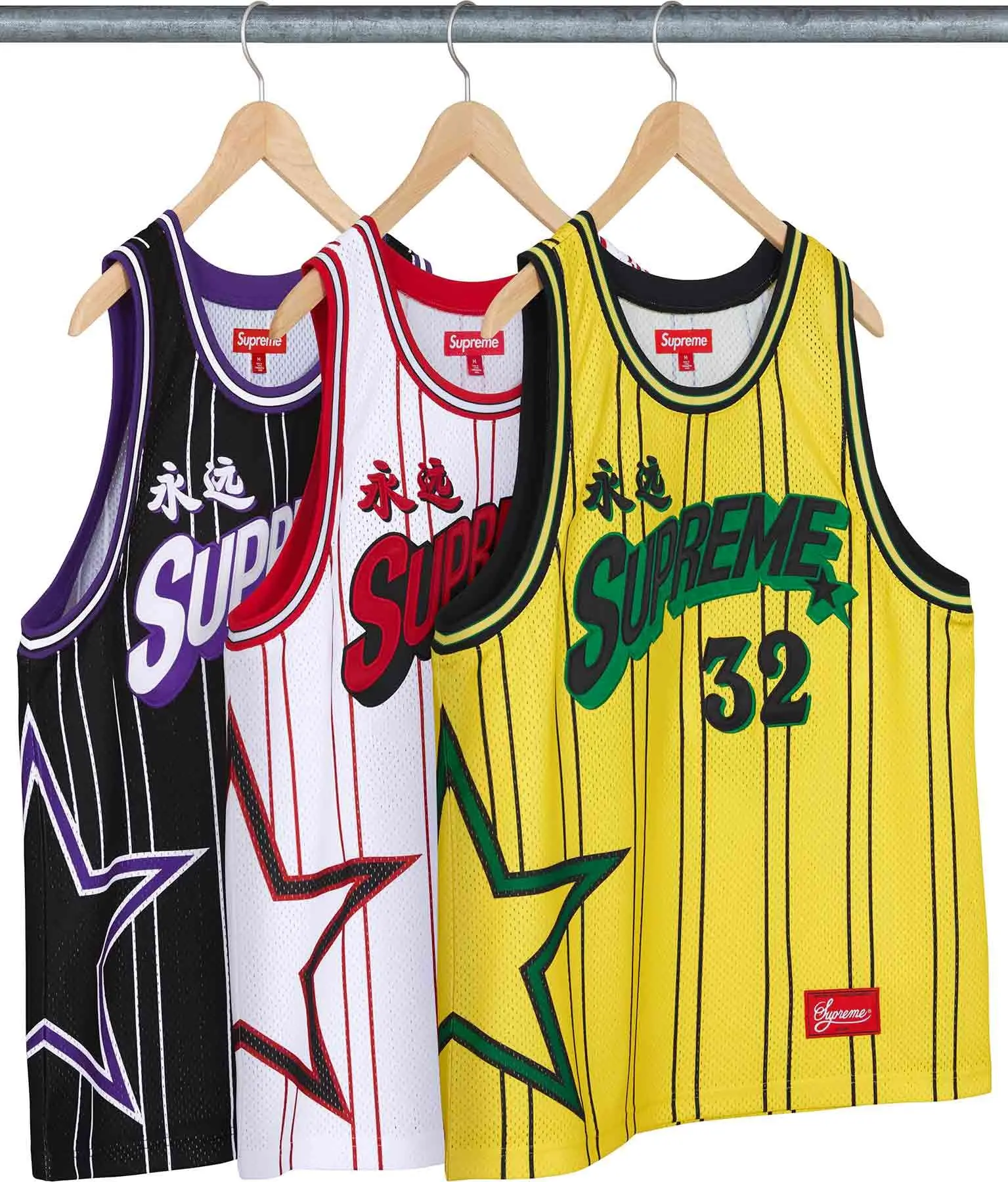
Introduction
Since its founding in 1994, Supreme has transcended its roots in skateboarding to become a dominant force in the global streetwear market. Its unique blend of limited-edition items, distinctive logo, and collaborations with various artists and brands has not only made it a cult favourite among streetwear enthusiasts but also positioned it as a significant player in the fashion industry. This piece examines the brand’s evolution, key events, and its ongoing influence on culture and commerce.
The Birth and Growth of Supreme
Supreme was established by James Jebbia, who opened the first store in New York City. The brand’s logo, a simple red box with the word ‘Supreme’ emblazoned in white, became iconic almost instantly. The store’s minimalist design catered to skateboarders, fostering a sense of community that was central to the brand’s identity. As the years progressed, Supreme began releasing limited-run items that created hype and urgency around each drop, effectively using scarcity as a marketing tool.
Collaborations and Cultural Relevance
One of the cornerstones of Supreme’s success lies in its strategic collaborations. From high-profile partnerships with luxury labels like Louis Vuitton to collaborations with artists like Damien Hirst, these partnerships have positioned Supreme at the intersection of street culture and high fashion. The 2017 Louis Vuitton collaboration marked a significant moment, showcasing how the brand has influenced broader fashion trends. Such alliances not only attract new customers but also affirm Supreme’s status as a cultural influencer.
Market Impact and Financial Success
With a valuation estimated in the billions, Supreme’s business model is a subject of study across various fields, including marketing and retail. Secondary resale markets have sprung up, with items often selling for several times their retail price. This phenomenon underscores the brand’s desirability and the lengths that fans will go to acquire limited pieces. Furthermore, the brand’s retail strategy has been adeptly adapted to the digital age, allowing it to maintain relevance with younger audiences.
Conclusion
Supreme’s journey from a small New York skate shop to a global icon serves as a testament to the power of branding and community in modern retail. As streetwear continues to evolve, with trends and tastes shifting rapidly, Supreme remains a pivotal player. Analysts predict that as long as the brand continues to innovate and engage with its core audience, it will maintain its position at the forefront of street fashion for years to come. This evolution not only reflects changing consumer habits but also hints at the future of how fashion brands interact with culture, community, and commerce.
