Introduction
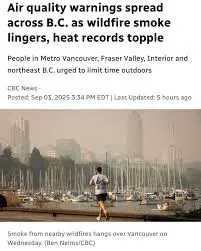
Vancouver, a vibrant city known for its stunning natural surroundings, is once again facing serious air quality issues due to smoke. This year’s wildfire season has been particularly severe, leading to dense smoke blanketing large areas of British Columbia. Monitoring air quality and understanding the source of smoke is crucial for residents as it has direct implications for public health and wellbeing.
Recent Events and Facts
Throughout August and September 2023, Vancouver residents have experienced spikes in PM2.5 levels—tiny particles that can penetrate deep into the lungs. The provincial air quality index has repeatedly indicated hazardous conditions, urging individuals, especially those with respiratory issues, to limit outdoor activities. According to the BC Wildfire Service, over 1,200 wildfires broke out this summer, exacerbated by prolonged dry conditions and high temperatures. Although many fires have been contained, smoke from ongoing blazes in central and northern B.C. continues to drift south, severely impacting the Lower Mainland.
Local authorities, including the Ministry of Environment, have implemented measures to address the situation, including public advisories and the provision of air quality monitoring updates. Residents have been encouraged to stay indoors, use air purifiers, and consume adequate water to combat the health effects associated with poor air quality.
Health Implications
The consequences of prolonged exposure to smoke are serious. Public health officials warn that smoke inhalation can lead to various respiratory problems, aggravate pre-existing health conditions, and result in long-term consequences for cardiovascular health. Vulnerable populations, including children and the elderly, are at a higher risk. Health care providers in Vancouver are preparing for a potential uptick in patients experiencing symptoms related to smoke exposure, including coughing, throat irritation, and difficulty breathing.
Conclusion
As Vancouver continues to grapple with the effects of smoke, both from wildfires and regional air patterns, it serves as a stark reminder of the ongoing challenges posed by climate change. Experts predict that the frequency of wildfires may increase in the coming years due to global warming trends. For Vancouverites, staying informed about air quality updates and taking preventive health measures will remain essential during these periods of smoke. As we brace for future summers, understanding the relationship between climate and health, as well as advocating for better environmental practices, will be critical to safeguarding the well-being of the community and the environment.
