Introduction
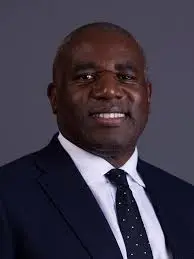
David Lammy has emerged as one of the influential voices in contemporary British politics. Serving as Labour’s Shadow Foreign Secretary, Lammy’s work touches on critical issues like social justice, human rights, and international relations. His prominence is crucial in the context of the UK’s shifting political landscape and growing calls for effective leadership and representation.
Background
David Lammy was born on February 19, 1972, in London. He studied Law at the University of London, followed by a postgraduate degree from Harvard University. First elected to the House of Commons in 2000 as the MP for Tottenham, Lammy has held various positions within the Labour Party, championing diverse issues, from education to civil rights.
Current Role and Contributions
Under the leadership of Keir Starmer, Lammy was appointed Shadow Foreign Secretary in 2020. He has been vocal about Britain’s role on the global stage, advocating for stronger international relations, particularly concerning issues like Brexit and climate change. Recently, Lammy has raised concerns regarding the UK’s foreign policy direction amidst rising global tensions. In a recent speech, he urged the government to take a more proactive stance on humanitarian crises, highlighting the need for the UK to uphold its reputation as a leader in human rights.
Additionally, Lammy has been a staunch advocate for the rights of ethnic minorities, taking part in several initiatives aimed at combating racial inequality. His influence extends beyond domestic issues, as he has called for a re-evaluation of the UK’s partnerships with global powers, emphasizing the importance of ethical diplomacy.
Future Prospects
As the possibility of a general election looms, David Lammy’s role as a key figure in the Labour Party cannot be overstated. His insights on international diplomacy and human rights will be crucial, especially in light of recent developments like the ongoing conflict in Ukraine and climate change challenges. Analysts suggest that Lammy’s policies could significantly shape the Labour Party’s platform in the next election, making him a pivotal figure for both party supporters and critics alike.
Conclusion
David Lammy remains a significant presence in UK politics, advocating for justice, equity, and a stronger global stance for the UK. His efforts in addressing critical social issues and promoting robust foreign policy not only reflect his dedication but also highlight the growing need for effective leadership in times of crisis. As political dynamics evolve, Lammy’s influence is likely to grow, positioning him at the forefront of future political discourse.
