Introduction
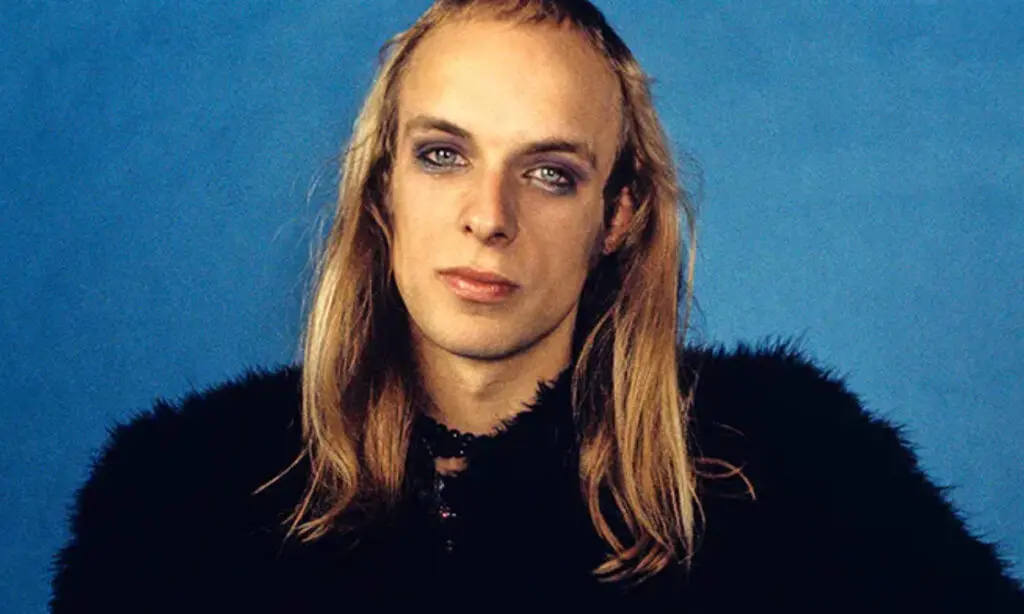
Brian Eno, a name synonymous with innovation in both music and the visual arts, continues to shape the landscape of contemporary sound. Recognised primarily for his role as a musician and producer, Eno’s contributions extend beyond his discography into the realms of ambient music, generative art, and technology-enhanced creativity. As the world navigates the burgeoning fields of digital art and sound, Eno’s ideas and creations remain at the forefront, influencing artists across genres and disciplines.
Key Contributions to Music
Born on May 15, 1948, in Woodbridge, Suffolk, Brian Eno first gained prominence in the 1970s as a member of the rock band Roxy Music before establishing his reputation as a solo artist and producer. Eno is credited with pioneering ambient music, a genre designed to enhance the environment rather than disrupt it. His albums, such as “Music for Airports” (1978), exemplify this philosophy, allowing listeners to engage with sound in a new, immersive way.
Aside from his work in ambient music, Eno has collaborated with an array of influential artists, including David Bowie, U2, and Coldplay, amongst others. His innovative production techniques, particularly the concept of ‘Oblique Strategies’—a series of cards with directives to inspire creativity—have transformed conventional songwriting and recording processes.
Visual Arts and Generative Art
Eno’s creativity is not confined to music; he is also an accomplished visual artist. His interest in generative art—using algorithms to create art that changes over time—has positioned him as a key figure in this intersection of art and technology. Eno’s installations, such as “77 Million Paintings,” allow for endless variations in visual output, challenging traditional notions of authorship and creation in art.
His commitment to exploring the relationship between technology and creativity leads to new dialogues within the art community, inspiring countless artists to consider how they can incorporate similar strategies into their work.
Conclusion
Brian Eno’s impact on both the music and art worlds is profound and enduring. As a pioneer of ambient music and a visionary in generative art, Eno continues to inspire future generations of artists and musicians. His forward-thinking approaches question the boundaries between art and technology and promote a holistic view of creativity. As we look ahead, Eno’s philosophy—embracing randomness, collaboration, and innovation—remains not only relevant but crucial in navigating the complexities of modern artistic expression.
