Introduction
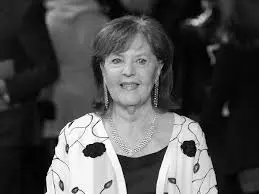
Pauline Collins is a name synonymous with sophistication and talent in the world of acting. With a career spanning over five decades, Collins has captivated audiences with her outstanding performances in film, television, and theatre. Her contribution to the arts, particularly in the UK, has solidified her status as a national treasure. As discussions around the representation of women in the arts evolve, Collins’ work becomes increasingly relevant, highlighting both the need for diverse storytelling and the importance of female voices in the industry.
Early Life and Career
Born on September 3, 1940, in Exmouth, Devon, Pauline Collins discovered her love for acting at a young age. She attended the London Academy of Music and Dramatic Art (LAMDA) and graduated into a bustling theatre scene. Collins gained early recognition for her appearances in various productions, showing immense range and depth. Her breakout role came in the 1970s with the television series ‘Upstairs, Downstairs,’ where she starred as Sarah, a kitchen maid, gaining critical acclaim and a loyal following.
Notable Works and Achievements
Collins’ career flourished through the 1980s and 1990s, with notable performances in productions like ‘Shirley Valentine,’ a one-woman play that earned her an Olivier Award and introduced her to a wider audience. The play’s themes of self-discovery resonated with many, particularly women, and cemented her place as a leading actress. Furthermore, Collins reprised her iconic role in a film adaptation, further broadening her impact on cinema.
In television, Collins enjoyed recurring roles in popular series such as ‘Doc Martin’ and ‘The Royal.’ Her versatility allowed her to navigate different genres, celebrating dramatic roles while also embracing lighter comedic performances. In recognition of her contributions to drama, Collins was awarded the prestigious BAFTA TV Award.
Recent Endeavours
In recent years, Pauline Collins has continued to shine both on stage and television. She is involved in various charitable initiatives, using her influence to advocate for arts education and women’s rights in the entertainment industry. Her commitment to nurturing upcoming talent reflects her deep-rooted belief in the power of storytelling to evoke change.
Conclusion
As the landscape of the performing arts continues to evolve, Pauline Collins remains a beacon of inspiration. Her career not only exemplifies exceptional talent but also the vital role of women in the arts. Looking ahead, it is anticipated that Collins will take on new projects that further push the boundaries of representation in theatre and film. With her rich history and forward-thinking approach, Pauline Collins will undoubtedly continue to influence future generations of artists.
