Introduction
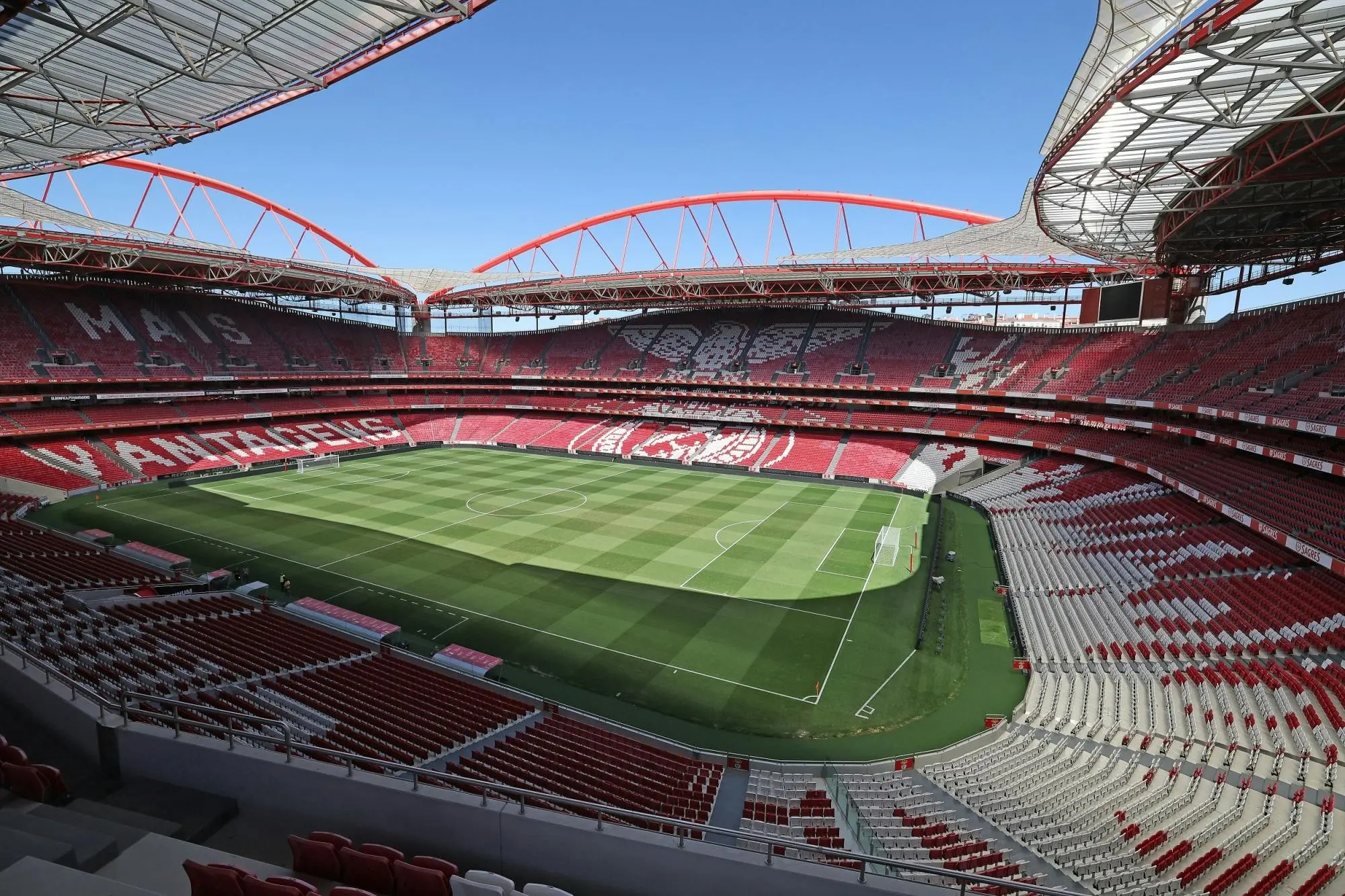
Benfica Stadium, officially known as Estádio da Luz, is not only a pivotal venue for football matches but also a cultural landmark in Lisbon, Portugal. Opened in 2003, it serves as the home ground for S.L. Benfica, one of the country’s leading football clubs. The stadium holds great significance, showcasing the rich history of Portuguese football and hosting numerous important events. Its modern architecture and advanced facilities make it a key location in European sports.
Historical Significance and Construction
Estádio da Luz replaces the original stadium of the same name, which was built in 1954. The new stadium was constructed to accommodate a larger audience and to meet modern standards for international matches. With a seating capacity of approximately 64,642, it is one of the largest stadiums in Europe. The construction, led by architect António Sanches, was completed in time for the UEFA Euro 2004, further establishing its reputation as a premier venue.
Major Events and Matches
Benfica Stadium has hosted a variety of significant sporting events, including the UEFA Champions League finals and international tournaments such as the UEFA Euro 2004. In addition to club matches, the stadium is renowned for hosting memorable matches involving Portugal’s national football team. The atmosphere during such events is electric, filled with passionate fans who enhance the experience of live football.
Modern Facilities and Features
The stadium boasts modern amenities that ensure a comfortable experience for spectators, including VIP lounges, hospitality suites, and an expansive fan zone. It is equipped with state-of-the-art audio-visual systems and has been designed with sustainability in mind, incorporating various eco-friendly elements in its architecture. Furthermore, Benfica Stadium includes a museum dedicated to the club’s illustrious history, attracting fans and tourists alike.
Conclusion
Benfica Stadium is more than just a ground for football matches; it is a symbol of pride for Benfica supporters and a crucial part of Portugal’s sporting landscape. As S.L. Benfica continues to strive for success in domestic and international competitions, the stadium remains a testament to the club’s rich heritage and future aspirations. Its role in hosting major events is likely to continue expanding, making it an essential destination for football fans around the world.
