Introduction
Oat milk, once a niche dairy alternative, has rapidly surged in popularity as more consumers seek plant-based options. Its creamy texture, natural sweetness, and nutritional benefits make it an appealing choice for lactose-intolerant individuals and those looking to reduce their environmental footprint. In a world increasingly focused on health and sustainability, the rise of oat milk reflects significant changes in dietary preferences and food production.
The Nutritional Benefits of Oat Milk
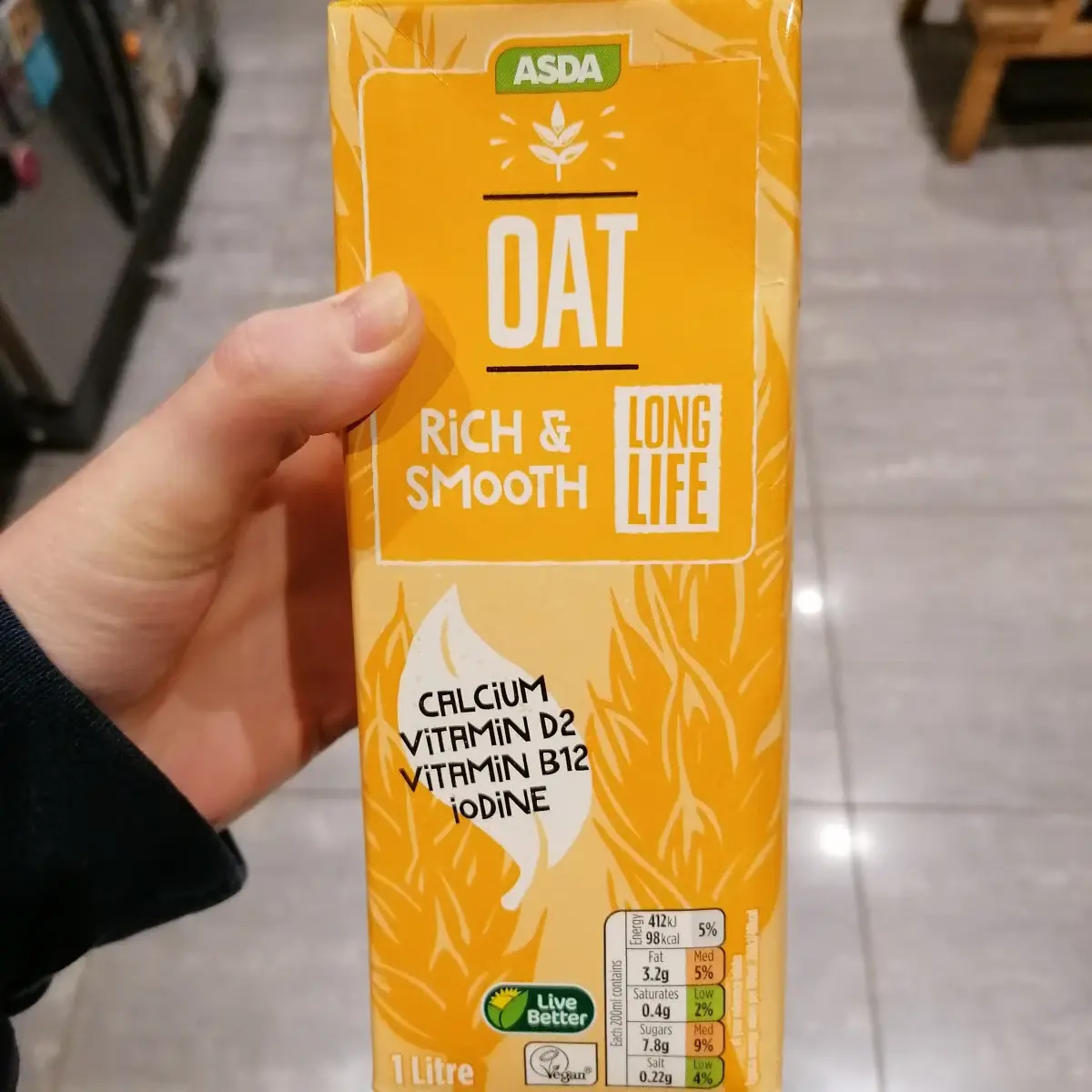
Oat milk is not only delicious but also packed with essential nutrients. It is rich in vitamins such as vitamin D and vitamin B12, and often fortified with calcium, making it a great alternative for those who do not consume dairy. Moreover, oat milk contains beta-glucans, which are soluble fibres known to help lower cholesterol and support heart health. Its naturally sweet flavour, derived from the oats, means fewer added sugars are needed compared to many other plant-based milks.
Environmental Impact
Another significant factor contributing to oat milk’s popularity is its lower environmental impact compared to cow’s milk. The production of oat milk typically requires less water and land, thus generating a smaller carbon footprint. As consumers become increasingly aware of climate change and the effects of animal agriculture on the environment, the shift towards more sustainable food choices is becoming evident.
Market Trends and Consumer Demand
The oat milk market is experiencing unprecedented growth. According to a report by ResearchAndMarkets, the global oat milk market size is projected to reach over $1.5 billion by 2025, driven by heightened demand in North America and Europe. Major coffee chains have also incorporated oat milk into their menus, tapping into the trend of customised coffee drinks and appealing to a younger clientele who prioritise sustainability.
Conclusion
The rising tide of oat milk signifies a broader shift towards plant-based diets and sustainable living. Its nutritional attributes and positive environmental impact resonate with health-conscious consumers, suggesting that oat milk is more than just a trend; it is becoming a staple in households and cafés around the world. As companies innovate and new flavours and products emerge, the demand for oat milk is expected to continue growing, cementing its place in the dairy alternative market.
