Introduction
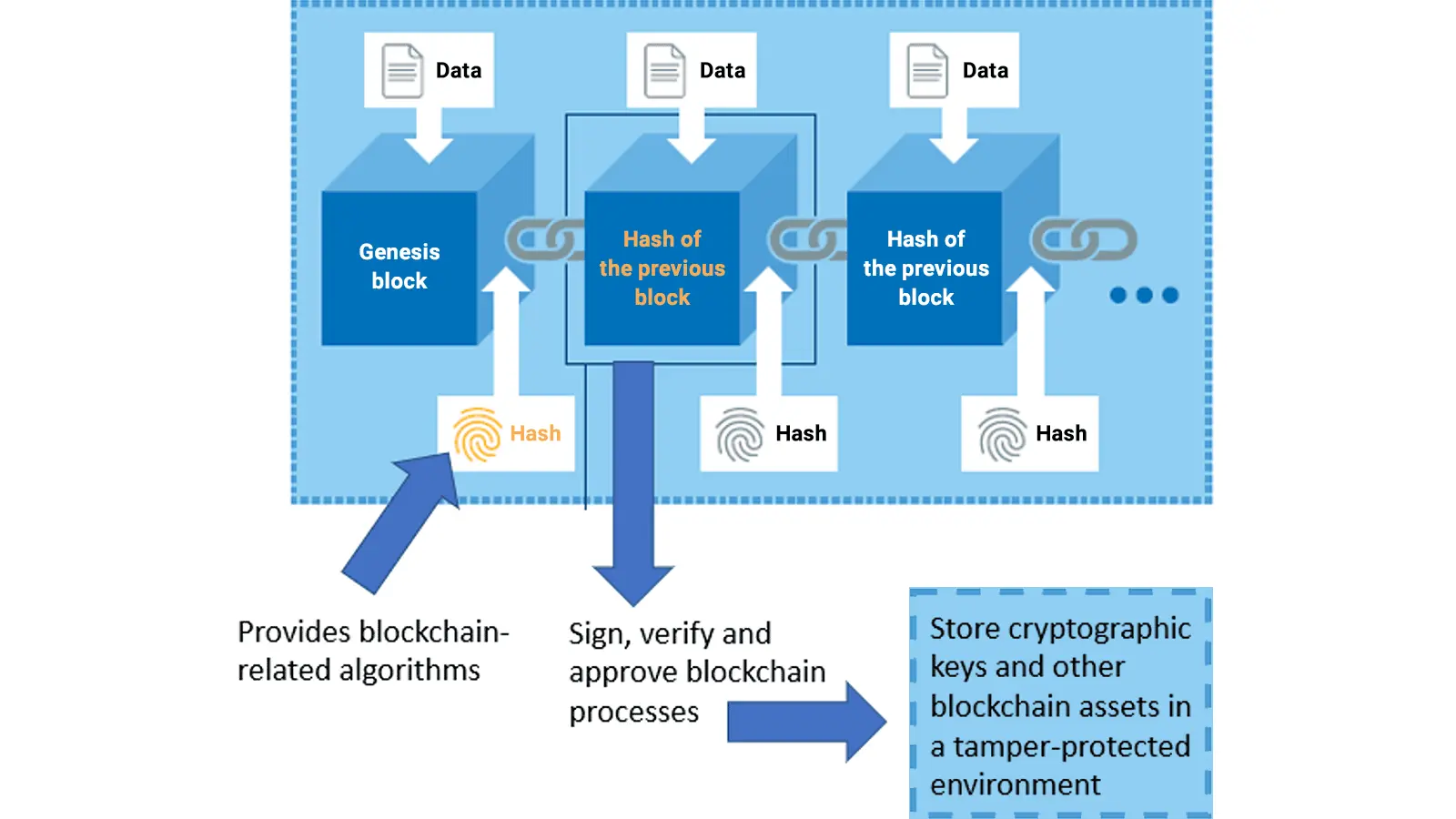
As digital transformation continues to reshape global economies, blockchain technology has emerged as a pivotal player in revolutionising various sectors. Its decentralized nature ensures enhanced security and transparency, making blockchain applications highly relevant in today’s fast-paced digital landscape. From finance to supply chain management, understanding these applications is crucial for businesses and individuals alike.
Current Blockchain Applications
1. Financial Services: One of the most notable applications of blockchain is in the financial services sector. Cryptocurrencies, such as Bitcoin and Ethereum, function on blockchain technology, enabling peer-to-peer transactions without intermediaries, which reduces transaction fees and increases efficiency. Moreover, many banks are exploring ways to utilise blockchain for cross-border payments and settlements.
2. Supply Chain Management: Blockchain applications are also transforming supply chains by providing a transparent and immutable ledger for tracking goods from their origin to the consumer. Companies like IBM and Walmart are using blockchain to enhance traceability, reduce fraud, and ensure product authenticity.
3. Healthcare: In healthcare, blockchain can securely store patient records while granting access only to authorised personnel. This not only improves data privacy but also allows for easier sharing of information between healthcare providers.
4. Smart Contracts: These self-executing contracts with the terms of the agreement directly written into code automatically enforce and execute agreements when conditions are met, reducing the need for mediation and cutting down on administrative costs.
Latest Developments
In 2023, the proliferation of blockchain applications has been marked by significant advancements. Governments worldwide are exploring the potential of Central Bank Digital Currencies (CBDCs), which leverage blockchain for secure transactions. Moreover, the rise of non-fungible tokens (NFTs) has opened new avenues for digital ownership, impacting art, music, and real estate.
Conclusion
The evolution of blockchain technology is paving the way for numerous applications that enhance transparency, security, and efficiency across industries. As more sectors start to embrace this technology, its potential to disrupt traditional business models and practices becomes increasingly evident. Businesses and individuals must stay informed about these developments, as the impact of blockchain applications will likely expand in 2024 and beyond, shaping the future of transactions and digital interactions.
