Introduction
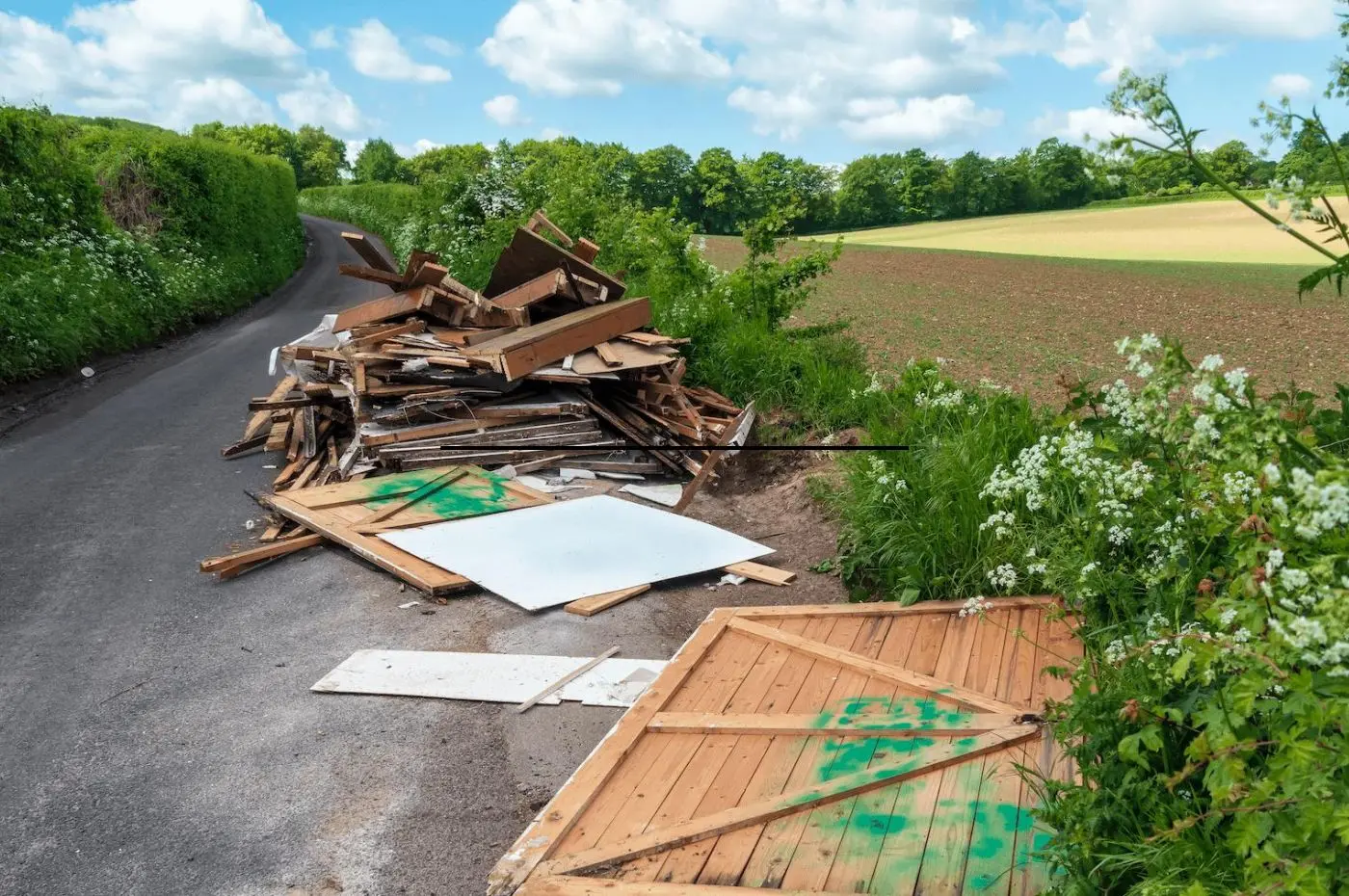
Fly tipping is an increasing environmental concern across the UK, affecting communities and local ecosystems. This illegal disposal of waste not only poses significant health risks but also places a burden on local authorities responsible for clean-up operations. With a reported rise in fly tipping incidents in recent years, understanding the implications and addressing the causes of this issue has become increasingly important for local governments and residents alike.
Current Statistics and Trends
According to the UK’s Department for Environment, Food & Rural Affairs (DEFRA), local authorities in England recorded over 1.2 million fly tipping incidents in the year 2021-2022, reflecting a staggering 16% increase from the previous year. The most affected areas include urban environments where higher population densities create greater opportunities for illegal dumping. Commonly disposed items range from household waste and furniture to construction debris and hazardous materials, highlighting a broad spectrum of issues associated with fly tipping.
Impact on Communities and the Environment
Fly tipping severely impacts local communities, tarnishing the aesthetic of residential areas and leading to a decline in property values. Furthermore, these dumps are often breeding grounds for pests and may lead to unsafe environments for children and pets. Environmental impacts are equally concerning; hazardous materials can leach into soil and waterways, posing risks to wildlife and human health. The clean-up operations, which are funded by taxpayers, can cost local councils millions of pounds annually.
Recent Developments and Legislation
In response to the increasing prevalence of fly tipping, several initiatives have been implemented. Local councils are stepping up enforcement measures, including increased surveillance and the installation of CCTV in known hotspots. Additionally, there have been calls for stricter penalties for fly tipping, with offenders facing fines of up to £50,000 or even imprisonment in severe cases. Educational campaigns aiming to raise awareness about the consequences of fly tipping and promote responsible waste disposal methods are also being rolled out.
Conclusion
As fly tipping continues to pose a significant challenge for the UK, it remains crucial for authorities and communities to work together to combat this issue. Future efforts may include enhanced legislation, better community engagement, and innovative waste management solutions. By understanding the causes and impacts of fly tipping, society can develop more effective strategies to prevent it and safeguard the environment for future generations.
