Introduction
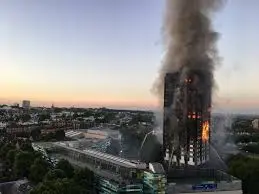
The Grenfell Tower fire, which occurred on June 14, 2017, remains one of the most tragic events in recent British history. The devastating incident claimed 72 lives and left countless others affected, highlighting crucial issues relating to fire safety, building regulations, and community support. Understanding the lessons from Grenfell is imperative, not only to honour those who lost their lives but also to advocate for changes that can prevent such disasters in the future.
The Incident and Immediate Aftermath
The blaze engulfed the 24-storey residential tower in North Kensington, London, within a matter of minutes, due in part to the combustible cladding used in the building’s refurbishment. The tragedy uncovered alarming deficiencies in building safety regulations and sparked national outrage. Following the fire, a public inquiry was initiated, led by Sir Martin Moore-Bick, that aimed to investigate the circumstances surrounding the incident and make recommendations for future regulations.
The immediate aftermath saw an outpouring of community support, with residents and volunteers providing immediate aid to the displaced families. Local organisations, including the Grenfell Foundation, were established to support those affected and demand accountability from those responsible.
Ongoing Investigations and Legal Proceedings
Five years on, the inquiry into the fire continues, with multiple hearings and reports. Key findings suggest systemic failures in fire safety measures, with criticism directed at both the management of the tower and the regulatory authorities. Though some criminal prosecutions have been pursued against companies involved in the refurbishment, many feel that justice for the victims is yet to be fully realised.
Community Rebuilding Efforts
In the years following the tragedy, community rebuilding has been a focus. The Grenfell community has banded together to address their immediate needs while advocating for broader changes in housing policy and fire safety. Projects initiated by local groups aim to restore a sense of normalcy, honour the memory of victims, and ensure that voices of survivors are heard in political spaces.
Conclusion
The Grenfell Tower fire serves as both a painful reminder and a catalyst for change within UK housing policy and fire safety regulations. As investigations continue, it is vital that lessons learned are implemented to safeguard against future tragedies. For the community directly affected, the journey toward healing and justice is ongoing, and their resilience is a testament to the human spirit amidst adversity. With rising concerns over housing safety, the Grenfell incident underscores the urgent need for reform to protect both lives and communities.
