Introduction
Measles is a highly contagious viral infection that can lead to serious complications and even death. As a preventable disease, its resurgence over recent years has raised alarms among public health officials worldwide. With the ongoing COVID-19 pandemic affecting vaccination rates and health resources globally, understanding the current state of measles is crucial for safeguarding public health.
Recent Measles Outbreaks
In 2023, the World Health Organization (WHO) reported a significant rise in measles cases compared to previous years. Regions such as Africa and Eastern Europe have witnessed the most alarming outbreaks, attributed to declines in vaccination coverage. For example, the Democratic Republic of Congo has recorded thousands of cases since the beginning of the year, leading to numerous fatalities, particularly among children under five where mortality rates are alarmingly high.
Additionally, in Ukraine, conflict and instability have severely disrupted healthcare services, resulting in decreased vaccination rates. The WHO has urged countries to prioritise vaccination efforts and address the barriers preventing access to healthcare.
Vaccination Efforts
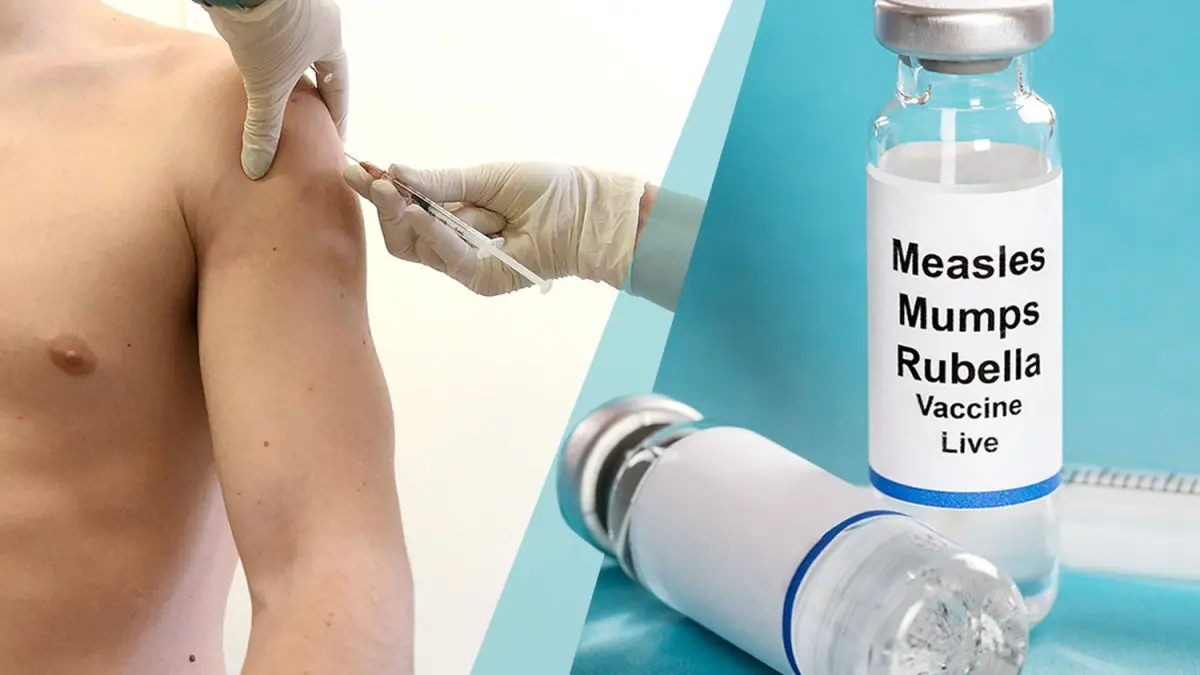
The measles vaccine is part of the childhood immunisation schedule in many countries, often coupled with mumps and rubella (MMR vaccine). Experts recommend maintaining a vaccination coverage of at least 95% to achieve herd immunity. In 2023, various global initiatives have been launched to combat the resurgence of measles. These include immunisation campaigns aimed at unvaccinated populations, especially in areas heavily impacted by the recent outbreaks.
Furthermore, the Gavi Alliance, along with the WHO and UNICEF, have initiated funding and resources to strengthen immunisation programmes in high-risk regions. This collective effort highlights the global commitment to eradicating measles as a public health threat.
Public Awareness and Education
Public education plays a vital role in increasing vaccination uptake. Misinformation surrounding vaccines has been a significant obstacle, leading to vaccine hesitancy in some communities. Health agencies are actively engaging in campaigns to inform the public about the safety and importance of vaccines, particularly amidst the ongoing challenges posed by misinformation in the digital age.
Conclusion
The rising cases of measles in 2023 underscore the need for continued vigilance and robust vaccination campaigns. For individuals and communities, understanding the importance of immunisation can lead to better health outcomes. As public health authorities work together to address these outbreaks, a concerted effort is essential to prevent future infections and ensure that all children are protected against this preventable disease. For the future, it remains critical that global vaccination rates return to levels that can effectively control and ultimately eradicate measles worldwide.
