Introduction
The FTSE 100 index, often regarded as a barometer of the UK’s economic health, represents the performance of the top 100 companies listed on the London Stock Exchange (LSE) based on market capitalisation. Understanding the FTSE 100 is crucial for investors, stakeholders, and anyone interested in the dynamics of the UK economy. As global markets fluctuate, the performance of the FTSE 100 can reflect broader trends, making it a topic of significant relevance today.
Current Trends and Performance
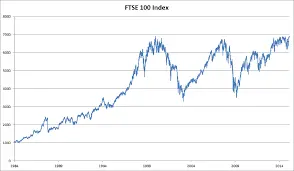
As of October 2023, the FTSE 100 has shown a remarkable resilience amidst global economic uncertainties. The index recently closed at 7,510 points, a notable increase compared to earlier in the year. Analysts attribute this rise to a combination of factors, including easing inflation rates, a strong performance in the energy sector, and growth in consumer spending.
Several companies within the index have reported better-than-expected quarterly earnings, fuelling optimism. For instance, leading firms in pharmaceuticals and banking have seen stock prices surge, contributing to the upward momentum of the index.
Economic Indicators Influencing the FTSE 100
The robustness of the FTSE 100 is often tied to various economic indicators. Recent data released by the UK Office for National Statistics indicated a 1.5% increase in GDP growth in the last quarter, indicating a stabilising economy post-pandemic. Moreover, rising commodity prices have benefitted major companies like BP and Shell, which play pivotal roles in the index’s performance.
However, concerns about persistent geopolitical tensions and potential global market corrections linger. Analysts urge investors to remain vigilant, as rapid changes in the international landscape can impact stock performance.
Conclusion
The significance of the FTSE 100 cannot be overstated, as it serves not just as an indicator of the health of the UK stock market but also as a reflection of wider economic trends. For investors and stakeholders, keeping abreast of the index’s performance is essential for strategic decision-making. As we look ahead, forecasts suggest that the FTSE 100 may continue to experience volatility, influenced by both domestic developments and global economic events. Staying informed about such trends will be crucial for anyone engaged in the financial market.
