Introduction
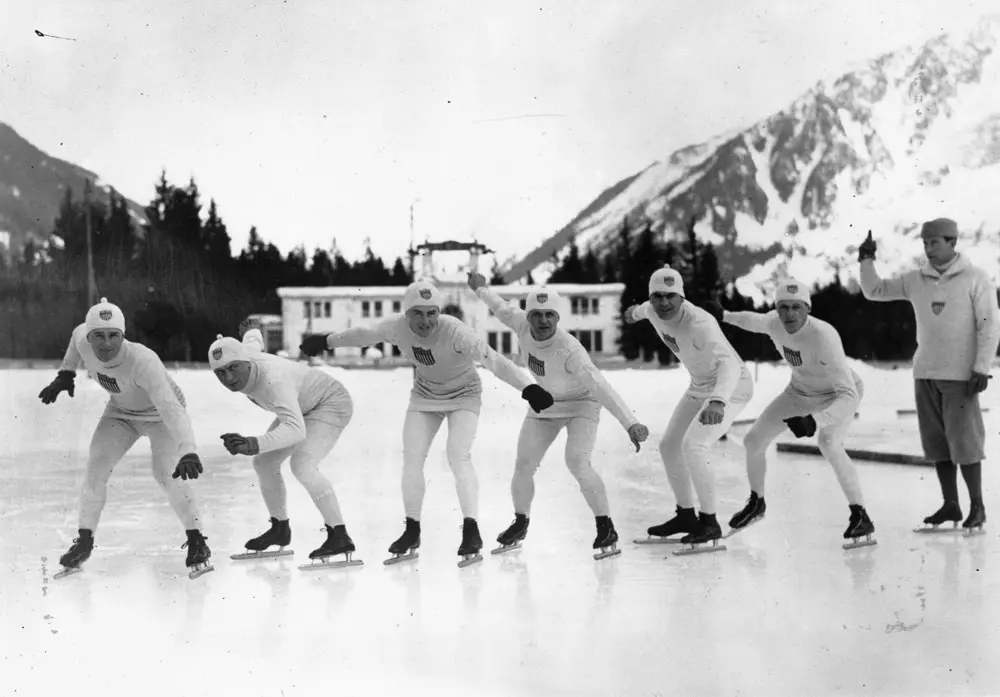
The First Winter Olympics, held in Chamonix, France, in 1924, marked a significant milestone in the world of sports. As the inaugural event for winter sports, it paved the way for the inclusion of competitive winter disciplines in the Olympic agenda. Understanding the origins and impacts of the First Winter Olympics is essential for appreciating the evolution of winter sports as we know them today.
Historical Context
The First Winter Olympics were created in response to the growing popularity of winter sports in the early 20th century. The International Olympic Committee (IOC) officially recognised the event in 1921, and it was subsequently announced that Chamonix would be the host city in 1923. The event, initially dubbed “International Winter Sports Week,” featured 16 nations competing across four sports: bobsleigh, ice hockey, figure skating, and skiing.
Significant Events and Achievements
The games ran from January 25 to February 5, 1924, and included a total of 258 athletes, with 183 men and 75 women from 16 countries. The competition was fiercely contested, with Norway dominating the medal count, securing 17 medals, including 8 golds. The United States also performed strongly, particularly in ice hockey. One of the most memorable moments was the participation of British figure skater Madge Syers, who became the first woman to compete in the Winter Olympics, highlighting the event’s role in advancing gender equality in sports.
Legacy and Impact
The success of the First Winter Olympics laid the groundwork for the continued growth of winter sports on the global stage. The event demonstrated that athletes from various nations could compete in a spirit of camaraderie and sportsmanship, despite the geopolitical challenges of the era. The games eventually evolved to include more sports and disciplines, leading to the modern Winter Olympics that we recognise today.
Conclusion
The First Winter Olympics in 1924 represented a landmark moment in sporting history, establishing a tradition that has continued to flourish. As winter sports continue to gain popularity, the legacy of Chamonix serves as a reminder of the importance of inclusivity and competition in fostering international goodwill. As we approach the next Winter Olympics in 2026, reflecting on the origins of these games highlights how far the Olympic movement has come and the unifying power of sports.
