Introduction
The boa constrictor, a non-venomous snake renowned for its impressive size and unique method of hunting, plays a vital role in its ecosystem. This species, native to Central and South America, has gained significant attention from both researchers and wildlife enthusiasts due to its remarkable adaptability and the threats it faces in the wild. Understanding the behavior, habitat, and conservation status of the boa constrictor is critical for appreciating its place in the biodiversity of its native regions.
Characteristics and Habitat
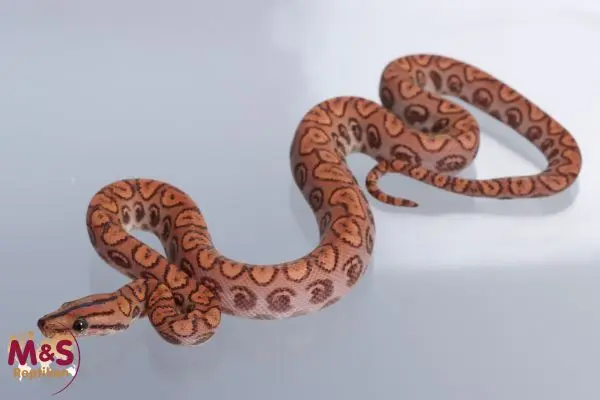
Boa constrictors are characterized by their distinctive patterns and coloration, which can vary greatly from one individual to another, facilitating camouflage in their natural environments. Typically, they can grow from 2 to 4 meters in length, although some individuals may exceed this range. Primarily arboreal, these snakes inhabit a variety of environments, including tropical rainforests, savannas, and sometimes even semi-deserts.
Behaviour and Diet
As constrictors, boa constrictors have a unique hunting strategy. They often ambush their prey, which can include rodents, birds, and even larger mammals like pigs. After capturing their prey with powerful coils, they constrict it until it suffocates, before swallowing it whole. Their slow metabolism allows them to go weeks without food after consuming a large meal.
Threats and Conservation
Despite their adaptability, boa constrictors face several threats in their natural habitats, primarily due to habitat destruction and illegal wildlife trade. Deforestation for agriculture and urban development has resulted in a significant loss of their habitat, while poaching for the exotic pet trade poses additional risks. Conservation organizations are working to protect this species by implementing habitat restoration projects and promoting awareness of the ecological importance of boa constrictors.
Conclusion
The boa constrictor is not just a fascinating creature but also a species that reflects the health of its ecosystem. As conservation efforts continue to evolve, it is essential for individuals and communities to participate in protecting these snakes and their habitats. The future of the boa constrictor depends on our actions today, and safeguarding the biodiversity of our planet can lead to a more balanced and sustainable environment for all species.
