Introduction
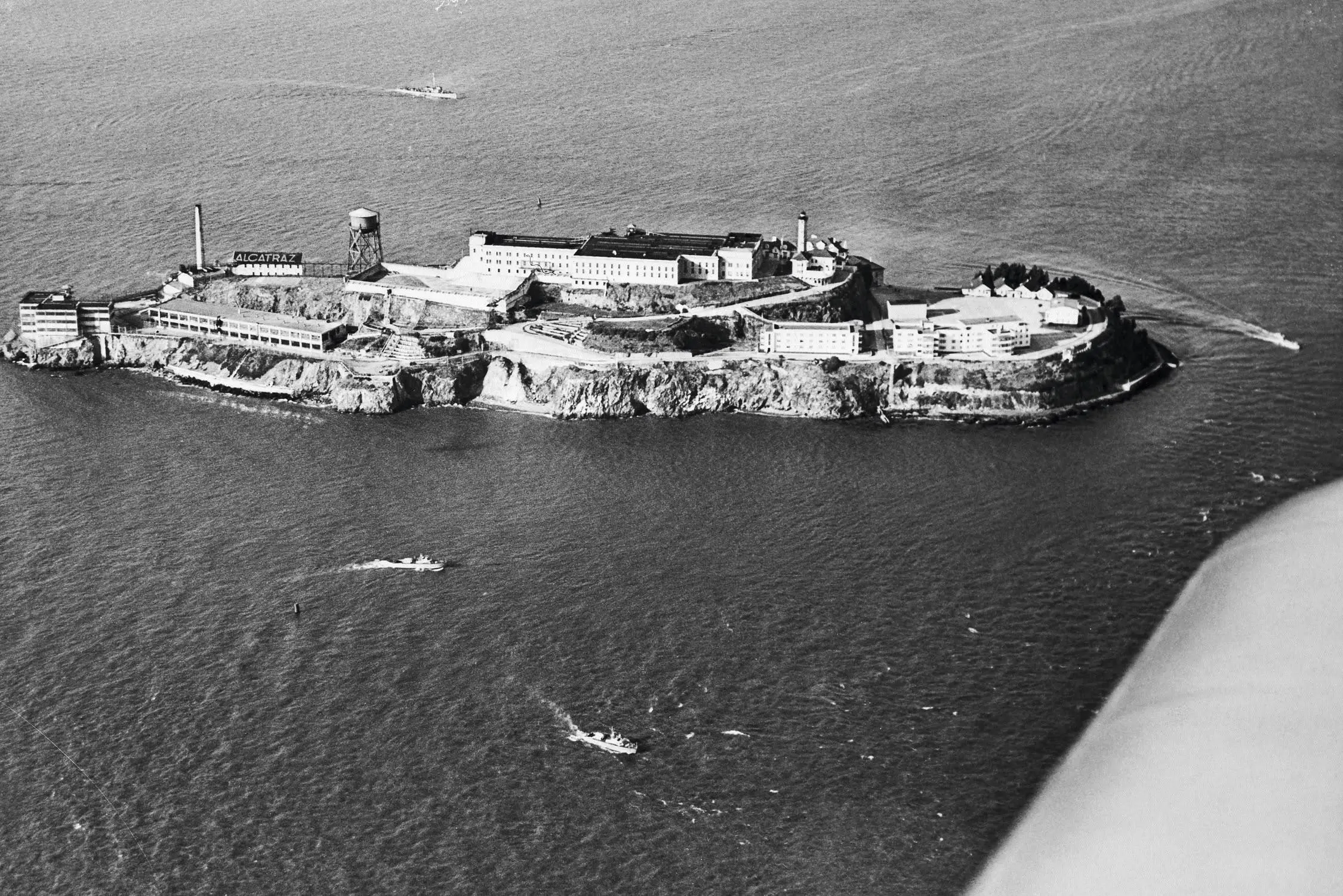
Alcatraz Island, located in San Francisco Bay, is one of the most famous landmarks in the United States, known for its infamous former prison. The island has become a symbol of American history and a significant topic of interest for tourists, historians, and researchers alike. Its storied past during the late 19th and early 20th centuries as a military fortress and its later transformation into a maximum-security prison has cemented its place in cultural memory.
The History of Alcatraz
Originally occupied by a military fortification and then transformed into a prison in 1934, Alcatraz held some of the most notorious criminals in American history, including Al Capone and Robert Stroud – the ‘Birdman of Alcatraz’. The prison was known for its strict rules and harsh conditions, but it was also believed to be inescapable due to its isolated location and harsh waters. The prison closed in 1963, and after its abandonment, the island became a popular point of interest.
Current Status and Tourism
Today, Alcatraz Island is a National Historic Landmark and part of the Golden Gate National Recreation Area. The island attracts over 1.5 million visitors annually, with tours that cover its history, including its role in the American penal system and its significance in Native American activism in the late 20th century when a group occupied the island for nearly 19 months seeking recognition of their rights. The tours allow visitors to explore the prison structure, the recreational yard, and many of the cells where infamous inmates stayed.
Significance in Popular Culture
The story of Alcatraz has permeated popular culture, inspiring numerous films, books, and television shows. Movies such as ‘Escape from Alcatraz’ and ‘The Rock’ have popularised its legend, leading to a continuous fascination with the island. The mythology surrounding the prison, including breathless tales of daring escapes, adds to its allure and keeps it relevant in contemporary storytelling.
Conclusion
As Alcatraz Island continues to be a focal point for education and tourism, its historical and cultural significance remains profound. The tales of survival, crime, and activism offer important lessons about justice and humanity, ensuring that the legacy of Alcatraz will endure for future generations. With conservation efforts underway, the island will remain a vital part of American history, inviting all who wish to learn about its captivating past.
