Introduction
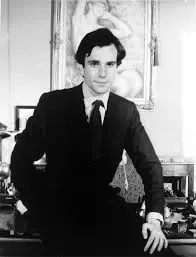
Daniel Day-Lewis, renowned for his unparalleled commitment to character immersion and method acting, is widely regarded as one of the greatest actors in contemporary cinema. With a career spanning over three decades, Day-Lewis has captivated audiences and critics alike, having received numerous accolades, including three Academy Awards for Best Actor. His unique approach to acting not only brings depth to his roles but has also set a high standard in the film industry, making his work particularly relevant as the landscape of cinema continues to evolve.
Notable Works and Achievements
Daniel Day-Lewis first garnered significant attention with his role in “My Beautiful Laundrette” (1985), but it was his performances in films such as “The Last of the Mohicans” (1992), “Gangs of New York” (2002), and more famously, “There Will Be Blood” (2007) that solidified his status as a leading man in Hollywood. His portrayal of oilman Daniel Plainview earned him his first Academy Award for Best Actor. However, it was not until his role in “Lincoln” (2012) that he achieved his historic third Oscar, a record tied with only two other actors—Walter Brennan and Jack Nicholson.
Day-Lewis’ meticulous preparation for roles is legendary; he is known to adopt the persona of his characters even off-set, sometimes for months at a time. This immersive method was notably evident during the making of “The Boxer” (1997), where he trained in boxing, and “My Left Foot” (1989), where he remained in a wheelchair to authentically portray a disabled artist. Such dedication not only enhances his performances but pushes the boundaries of acting itself.
Recent Developments and Current Relevance
His latest film, “Phantom Thread” (2017), marked his return to the silver screen after a self-imposed hiatus, and it was met with critical acclaim, reinvigorating discussions about his unique artistry. Day-Lewis announced his retirement following this film, presenting fans with a bittersweet conclusion to his illustrious career. This step has prompted reflections on the significance of his contributions and the impact he has had on fellow actors and filmmakers.
Conclusion
Daniel Day-Lewis’ exceptional talent and commitment to his craft have not only earned him numerous accolades but have also permanently etched his name in the annals of film history. His methodical approach to acting and his willingness to fully immerse himself in his characters make him a profound figure whose legacy will likely inspire generations of actors to come. As we observe the transformations in modern cinema, the significance of Day-Lewis’ influence endures, reminding us of the value of artistry and dedication in storytelling.
