Introduction
Taylor Swift, an American singer-songwriter, has had an unprecedented impact on the music industry and popular culture over the last decade. Known for her narrative songwriting that often draws from her personal experiences, Swift has transitioned from country music to pop and alternative music genres, showcasing her versatility. Her journey not only reflects her artistry but also resonates with millions of fans worldwide, making her a vital figure in contemporary music.
Recent Achievements
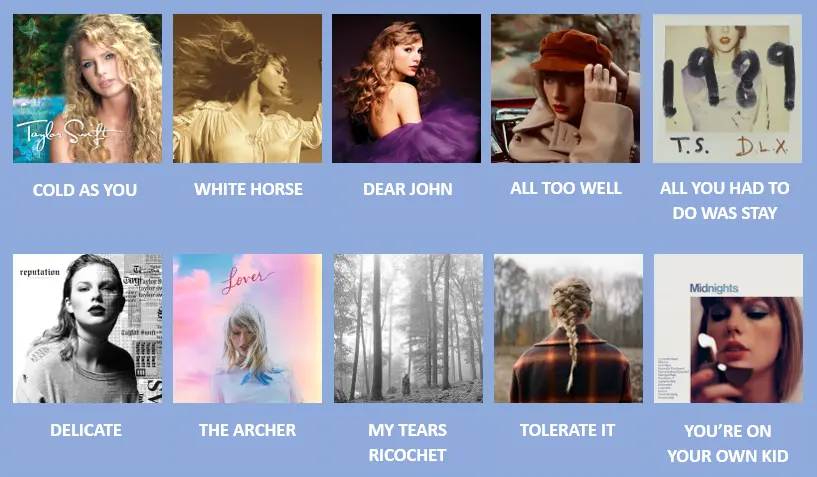
Swift’s discography has seen remarkable success, including her re-recorded albums, which have generated considerable attention. Since the announcement of her ‘Taylor’s Version’ project, fans have embraced her efforts to reclaim her music from past record labels. Her re-recorded album ‘Fearless (Taylor’s Version)’, released in April 2021, debuted at number one on the Billboard 200 chart, making history as Swift reclaimed her previous works while drawing significant acclaim from critics and fans alike.
Her latest album, ‘Midnights’, released in October 2022, broke countless streaming records and secured her place as a true force in today’s music landscape. With a blend of introspective lyrics and innovative production styles, ‘Midnights’ not only solidified her status as a leading artist but also showcased her ability to evolve and remain relevant in a rapidly changing industry.
Cultural Impact
Outside of her music, Swift has been an advocate for various social issues, including LGBTQ+ rights and education reform, using her platform to speak on topics that matter to her and her fans. She has also been a prominent figure in discussions surrounding artists’ rights in the digital music age, lending her voice to issues of equity and fairness in the music industry. By actively engaging in social discourse, she expands her influence beyond entertainment to become a pivotal role model for young people today.
Looking Ahead
As Swift plans her highly anticipated ‘The Eras Tour’, this expansive showcase of her music is expected to attract legions of fans, further demonstrating her connection with audiences. The tour aims to honour her entire discography, signalling both a celebration of her achievements and an acknowledgment of her growth as an artist. Looking ahead, it is clear that Swift’s influence will continue to shape the music industry’s landscape and inspire future generations of musicians.
Conclusion
Taylor Swift represents much more than just a successful career in music; she symbolises the power of storytelling and the significance of authenticity in art. With her continuing evolution as an artist and her commitment to social issues, Swift’s impact will resonate for years to come. As fans eagerly await her next move, Swift’s legacy remains a focal point in discussions about music, culture, and personal expression.
