Introduction
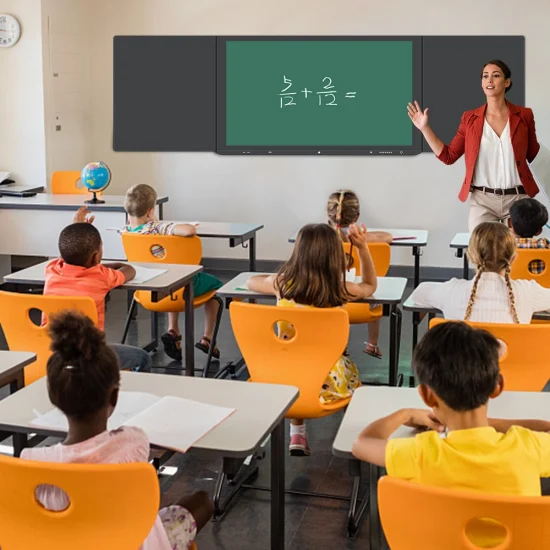
The classroom has long been regarded as the heart of education, a place where knowledge and skills are imparted from teacher to student. However, the traditional classroom is undergoing significant transformations driven by technological advancements and changes in educational philosophy. Understanding these changes is crucial for educators, students, and parents alike, as they navigate a rapidly evolving landscape.
The Rise of Technology in Classrooms
In recent years, technology has begun to redefine the classroom experience. With the introduction of smart boards, laptops, and tablets, teachers are now able to present information in dynamic and interactive ways. A report by the Education and Training Foundation highlighted that 75% of teachers believe that technology enhances the learning environment. Not only does it facilitate creative teaching methods, but it also allows for personalised learning experiences. By using adaptive learning software, educators can cater to the individual needs of students, offering them a tailored educational experience that was previously impossible.
Changing Pedagogical Approaches
The way teachers engage with their students is also shifting, supported by research indicating that collaborative and active learning strategies lead to better outcomes. The National Centre for Learning Disabilities reported that classrooms that foster collaboration and peer learning see an increase in student engagement and retention. Concepts such as ‘flipped classrooms’, where students review lecture materials at home and engage in problem-solving activities during class, are becoming increasingly popular. This method encourages students to take ownership of their learning and develops critical thinking skills.
The Emotional and Social Aspects of Classrooms
Moreover, today’s classrooms are not only focused on academic success; there is a growing recognition of the importance of social-emotional learning (SEL). Educators are being trained to incorporate SEL into their curricula, which promotes skills such as empathy, emotional regulation, and teamwork. According to a study by the Collaborative for Academic, Social, and Emotional Learning (CASEL), schools implementing SEL frameworks reported improved student behaviour, better academic performance, and enhanced teacher satisfaction.
Conclusion
The future of the classroom is being shaped by technology, innovative teaching methods, and a holistic approach to education that encompasses both academic and emotional growth. As these changes continue to unfold, it is imperative for all stakeholders in the education system to adapt and remain informed. The classroom of tomorrow promises to be a vibrant, inclusive, and dynamic environment, preparing students not only for academic success but for their roles as responsible and empathetic citizens in a complex world.
