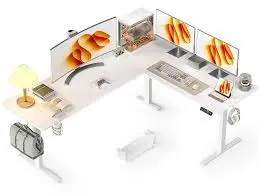
Introduction: The Importance of Office Spaces
As companies transition back to in-person work, the relevance and design of office spaces have never been more significant. The pandemic has reshaped how we perceive and utilise these environments, pushing businesses to rethink their approaches to office layout, employee well-being, and overall productivity. With remote work becoming a viable long-term option, the future of physical office spaces is a pivotal topic in contemporary discussions about work culture.
The Transformation of Workspaces
In 2023, many organisations are focusing on creating flexible workspaces that cater to a hybrid model. According to a recent survey by Global Workplace Analytics, over 70% of employees indicated a preference for a combination of remote and in-office work. This shift has led companies to adapt their office layouts to include collaborative zones, quiet pods, and technology-rich meeting rooms that can easily accommodate both in-person and virtual collaboration.
Furthermore, companies are increasingly prioritising employee well-being in their office designs. As per a report by the World Green Building Council, workplaces that embrace sustainable practices and incorporate natural elements like plants and sunlight can enhance employee satisfaction and productivity, leading to better overall performance.
Trends Shaping Office Design
Several key trends are characterising the evolution of office spaces:
- Hybrid Work Models: Many businesses are adopting policies that allow employees to choose how and where they work best, resulting in an increase in hot-desking and shared workspaces.
- Sustainability Initiatives: The focus on eco-friendly materials and practices in office design has gained traction, with councils encouraging green building certifications to enhance workplace environments.
- Technology Integration: The rise of smart offices demonstrates the importance of technology. From AI-driven meeting schedulers to contactless entry systems, companies are integrating tools that enhance the employee experience.
Conclusion: Looking Forward
The ongoing transformation of office spaces highlights a significant cultural shift in how businesses operate. As organisations continue to explore what the ideal workplace looks like, it is clear that flexibility and employee-centric designs will play crucial roles in shaping the future of work. With these changes, employees may experience improved job satisfaction and productivity levels. For companies, understanding and implementing these trends will be vital for attracting and retaining talent in this new era of work. The office as we traditionally knew it is evolving — and embracing these changes will be essential for success in the years to come.
