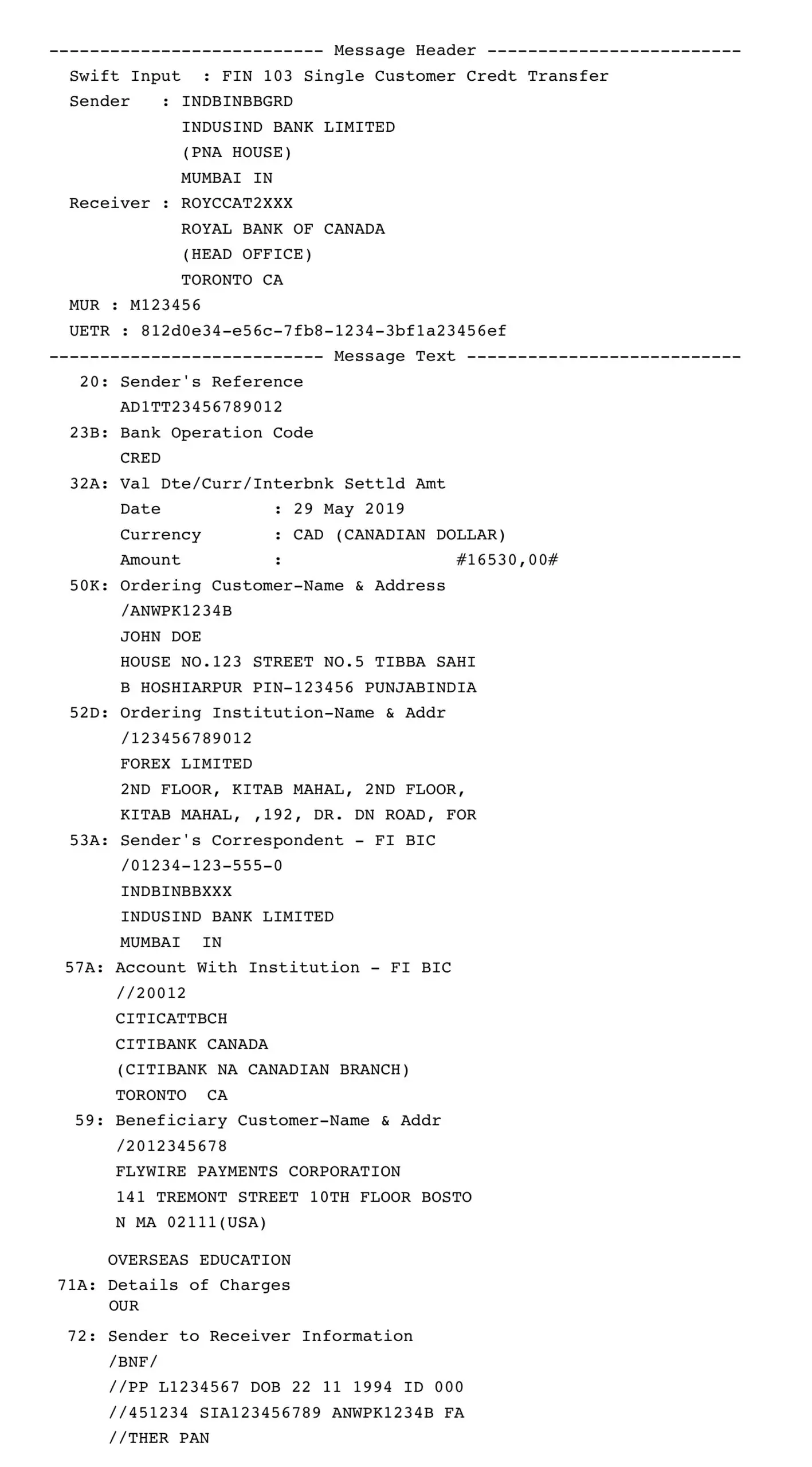
Introduction
In today’s fast-paced world, money transfer has become an essential service for individuals and businesses alike. As globalisation increases, the need for efficient, secure, and rapid money transfer solutions has never been more critical. Whether it’s sending money to family abroad, paying for online services, or conducting business transactions, understanding the various options for money transfer is vital to navigating our increasingly interconnected financial landscape.
Current Money Transfer Methods
The landscape of money transfer has evolved significantly over the past decade. Traditional methods such as banks and cheque transfers are being supplemented—and in some cases, replaced—by a range of digital options. Services like PayPal, Revolut, and Wise facilitate instant money transfer with just a few clicks, enabling users to send and receive money across borders at competitive exchange rates.
According to a recent report from the World Bank, global remittances reached approximately $700 billion in 2021, highlighting their impact on millions of families worldwide. These transactions not only support basic living expenses but also contribute significantly to developing economies.
Blockchain and Cryptocurrencies
Innovative technology also plays a role in shaping the future of money transfer. Blockchain and cryptocurrencies have emerged as viable alternatives to traditional money transfer methods. These digital currencies allow for peer-to-peer transactions without the need for intermediaries, leading to faster processing times and potentially lower fees.
In recent months, countries like El Salvador have embraced Bitcoin as a legal tender, emphasising the growing acceptance of cryptocurrencies in everyday transactions. However, challenges such as volatility and regulatory concerns remain significant hurdles to broader adoption.
Challenges in Money Transfer
Despite the advancements, money transfer still faces various challenges. Fraud, high transfer fees, and slow processing times can hinder transactions, especially for those in economically disadvantaged regions. Regulatory compliance poses additional complexity, as different countries enforce varying requirements that can complicate international money transfer.
Conclusion
The increasing need for effective and efficient money transfer solutions indicates that this trend will continue to shape the financial landscape. As the world becomes more digitally inclined, it is important for consumers and businesses to be aware of the available methods and their respective advantages and drawbacks. Looking ahead, we can expect continued innovation, which may further simplify and improve the process of transferring money across the globe.
