Introduction
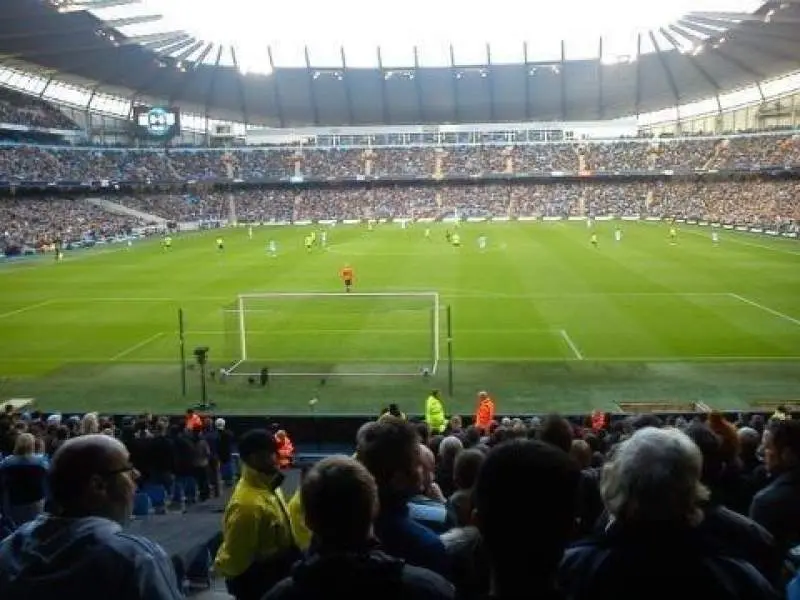
The Etihad Stadium, home to Manchester City Football Club, stands as one of the premier football venues in the United Kingdom. Since its opening in 2003, the stadium has not only become a symbol of sporting excellence but also a key part of Manchester’s cultural landscape. With a seating capacity of over 53,000, it is the second-largest stadium in England, and its importance is underscored by its role in hosting high-profile matches, including Premier League and UEFA competitions.
History and Development
The stadium’s history dates back to its original construction as the City of Manchester Stadium for the 2002 Commonwealth Games. In 2003, Manchester City FC moved in, and the venue was subsequently renamed the Etihad Stadium after a naming rights agreement with Etihad Airways in 2011. The stadium underwent significant expansions and renovations from 2007 to 2015, which included the addition of hospitality areas and fan zones, enhancing the matchday experience for supporters.
Significant Events and Upgrades
It has been a regular host for various concerts and sporting events beyond football, including international fixtures and music concerts featuring artists like Beyoncé and Coldplay. Moreover, the stadium’s recent upgrades aim to elevate its status as a world-class sports and entertainment hub, showcasing state-of-the-art facilities that reflect modern expectations of comfort and accessibility.
Two major notable events include the UEFA Champions League matches, where the stadium pumps with electric atmosphere as City competes against Europe’s elite clubs. Additionally, in 2021, the Etihad hosted a number of critical matches as part of the UEFA Euro 2020 postponed due to the pandemic, cementing its status as a key venue in international football.
Conclusion
The Etihad Stadium is not just an arena for football matches; it represents the evolution of Manchester City FC and its ambitious trajectory. As the club continues to strive for excellence both domestically and in European competitions, the stadium will play a crucial role in this journey. Fans can expect more thrilling matches and memorable events in the years to come, as the venue cements itself further into the history of English football. Its architecture and design not only provide a viewing experience like no other but also signify Manchester’s pride and passion for the beautiful game.
