Introduction
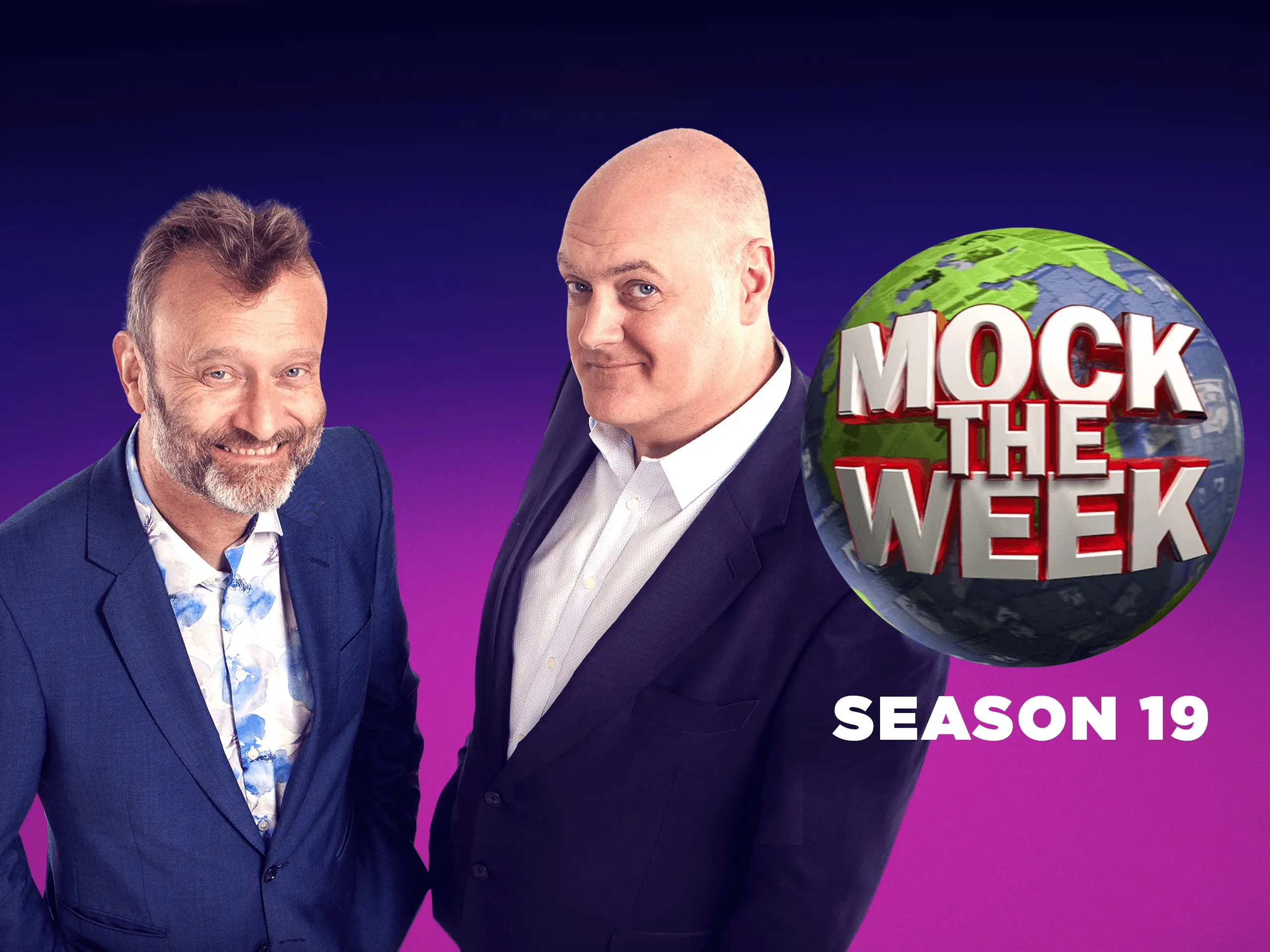
Since its inception in 2005, the British television show Mock the Week has become a beloved staple of current affairs comedy. Combining elements of stand-up, improvisation, and topical quizzes, the programme resonates with audiences for its sharp wit and timely commentary on societal issues. In a rapidly changing world where humour can serve as both a refuge and a lens to examine reality, Mock the Week offers a platform for comedians to address serious topics with levity.
Current Events and Format
Mock the Week, created by the team behind other successful programmes such as Whose Line Is It Anyway?, features a panel of comedians who present humorous takes on the week’s biggest news stories. The show operates under the guidance of host Dara Ó Briain, and has seen a variety of celebrity panellists, from familiar faces like Russell Howard and Hugh Dennis to newcomers who bring fresh perspectives. In recent episodes, the show has tackled pressing issues such as climate change, political upheaval, and cultural phenomena, proving its ability to adapt to the times.
The format remains engaging, incorporating segments such as ‘Scenes We’d Like to See’ and ‘Headliners,’ which challenge panellists to creatively respond to the week’s news. As society grapples with global events like the pandemic and rising inflation, the show’s ability to provide comedic relief while encouraging critical thought has cemented its place in British culture.
Relevance in Today’s Society
As comedy evolves, so too has Mock the Week’s approach to addressing sensitive issues. Comedians are encouraged to push boundaries, but the show also faces scrutiny over its content and approach to sensitive topics, engaging in a dialogue about freedom of expression versus offensive comedy. Notably, the show’s late-night time slot continues to attract discussions around its appropriate limits, prompting commentary from both critics and fans.
Moreover, the impact of social media has amplified the conversations surrounding Mock the Week. Clips from episodes often go viral, facilitating wider discussions around the themes explored on the show. The interactivity provided by platforms such as Twitter allows for immediate audience feedback, making the show not just a passive experience but an active part of societal commentary.
Conclusion
The significance of Mock the Week extends beyond simple entertainment. It acts as a cultural barometer, reflecting contemporary issues while providing a safe space to laugh at them. With a loyal fanbase and a commitment to exploring the absurdities of life through humour, the show is likely to continue its success. As it navigates the complexities of modern society, audiences can expect Mock the Week to remain a pertinent and entertaining fixture in British comedy well into the future.
