Introduction
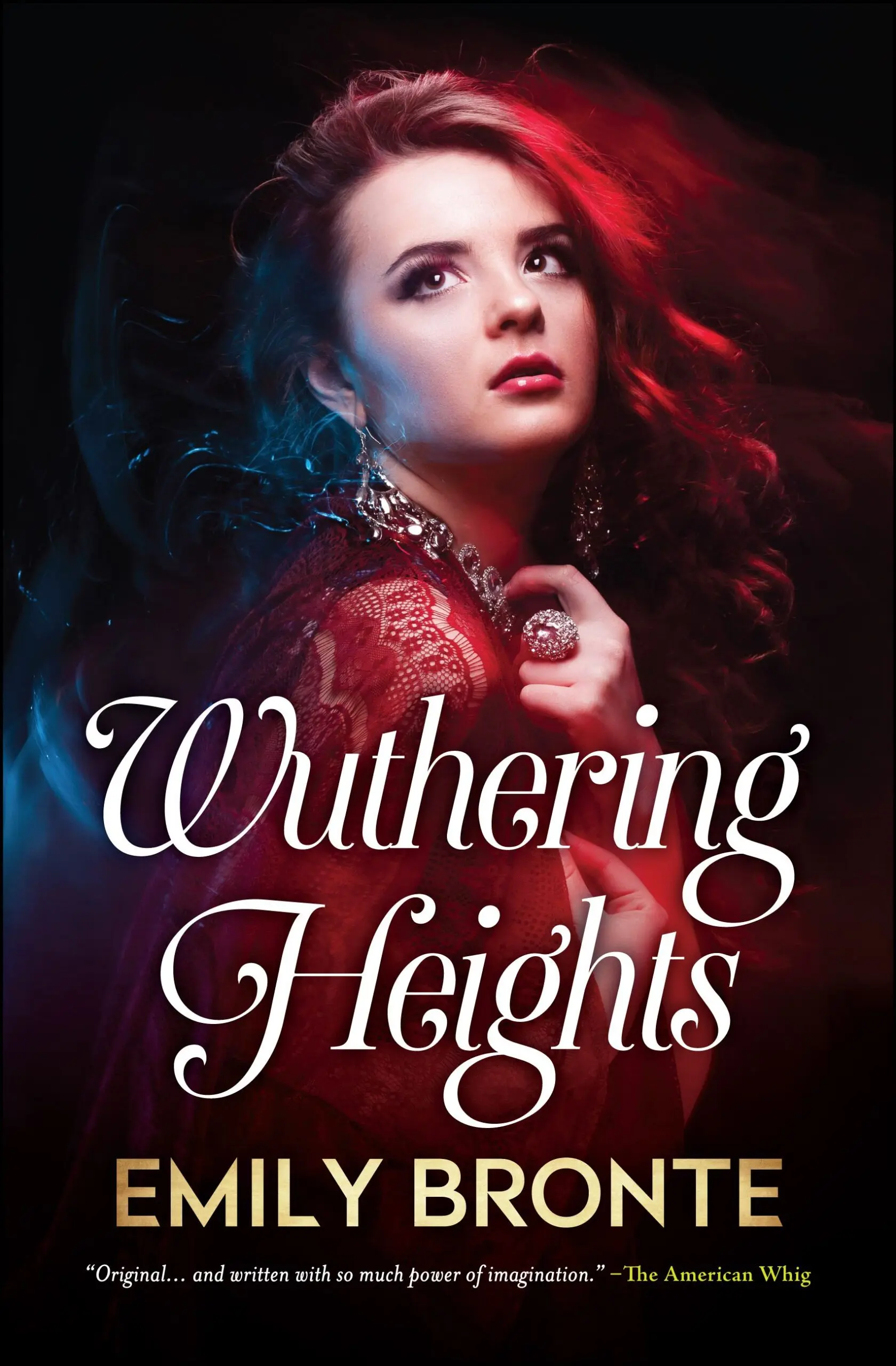
Published in 1847, Emily Brontë’s Wuthering Heights has become one of the most celebrated works in English literature. Renowned for its complex characters and dark, passionate themes, this novel continues to resonate with readers worldwide, making it a staple in both academic curricula and personal libraries. The story delves into the tumultuous relationships between its protagonists, set against the backdrop of the Yorkshire moors, encapsulating themes of love, revenge, and the supernatural.
Plot Overview
The narrative is primarily told through the perspective of Mr. Lockwood, a gentleman who rents Thrushcross Grange, and Nelly Dean, the housekeeper who recounts the tragic story of Heathcliff and Catherine Earnshaw. The central theme revolves around the intense and destructive love between Heathcliff and Catherine, whose relationship is torn apart by social class and personal rivalries. As Heathcliff embarks on a journey of vengeance against those who wronged him, the novel illustrates the destructive power of love and obsession.
Critical Reception
Initially met with mixed reviews, Wuthering Heights has since gained critical acclaim for its innovative narrative structure and profound thematic depth. Notable critics like Virginia Woolf and modern literary scholars have praised Brontë’s ability to capture the complexities of human emotions. The novel’s gothic elements, along with its exploration of mental anguish, contribute to its status as a foundational text for feminist and psychological literary criticism.
Recent Adaptations and Influence
The enduring popularity of Wuthering Heights is evident through its numerous adaptations in films, television series, and stage productions. Various iterations have sought to capture the raw intensity of its characters, with adaptations ranging from faithful retellings to modern reimaginings. Recently, the BBC announced new plans for a feature adaptation that aims to stay true to Brontë’s original vision while appealing to a contemporary audience.
Conclusion
As we examine the ongoing relevance of Wuthering Heights, it is clear that its themes of passion, revenge, and the ferocity of love resonate through generations. This novel not only challenges readers to confront the darker sides of human nature but also encourages a deeper understanding of emotional complexities. As new adaptations emerge and critical interest continues to grow, Wuthering Heights remains a significant work that continues to influence literature and culture today.
