Introduction
Thunderbirds, the iconic British television series created by Gerry and Sylvia Anderson, continues to resonate with audiences worldwide even decades after its original air date. Premiering in 1965, this pioneering marionette series utilized a groundbreaking technique known as “Supermarionation.” With its unique combination of vibrant puppetry, thrilling storylines, and a musical score by Barry Gray, Thunderbirds not only captivated children but also became a cult hit among adults.
The Plot and Characters
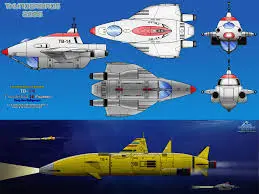
Set in the 2060s, Thunderbirds follows the heroic rescue missions of International Rescue, a secret organisation founded by the Tracy family. The series features several characters, prominently including Scott, Virgil, Alan, Gordon, and John Tracy, who operate a fleet of technologically advanced vehicles, including the iconic Thunderbird spacecraft. Their mother, Lady Penelope, and her chauffeur, Parker, add a touch of British charm and wit, enhancing the show’s appeal.
Impact and Legacy
Thunderbirds has had a significant impact on popular culture, influencing a wide array of media from television to video games. It is often lauded for its realistic portrayal of disaster situations and engineering ingenuity, which even inspired real-life rescue operations. The series became a cultural touchstone, leading to adaptations, merchandise, and spin-offs, including the 2004 live-action film and the 2015 reboot for a new generation. The show has left an indelible mark on the entertainment industry, showcasing not only the creativity of the Andersons but also the potential of puppet animation as a serious storytelling medium.
Recent Developments
In recent years, the legacy of Thunderbirds has been revitalised through various new projects. In 2021, the Thunderbirds franchise celebrated its 56th anniversary, with fans and enthusiasts around the globe marking the occasion online and through themed events. Additionally, new media content is being developed, including animated series and merchandise aimed at rekindling interest among younger audiences. The enduring popularity of the Thunderbirds suggests that the series will continue to inspire and entertain for many years to come.
Conclusion
Thunderbirds stands as a testament to creativity, innovation, and the power of storytelling. Its ability to bridge generational gaps and maintain relevance in an ever-changing entertainment landscape underscores its significance. As new adaptations and products emerge, the Thunderbirds will likely remain a beloved part of British television history, encouraging both old fans and newcomers to discover its charm. The legacy of Thunderbirds not only showcases the art of puppetry but also serves as a reminder of the importance of ingenuity, teamwork, and hope in the face of adversity.
