Introduction
Norman Bates, the infamous character from Robert Bloch’s 1959 novel ‘Psycho’, has entrenched himself as a cultural icon in horror fiction. His legacy is particularly relevant today as the representations of psychological horror evolve within film and literature. Bates not only epitomises the disturbed psyche but also highlights the fragility of the human mind, making him an important touchstone in discussions surrounding mental health, fear, and identity.
Origins and Early Portrayals
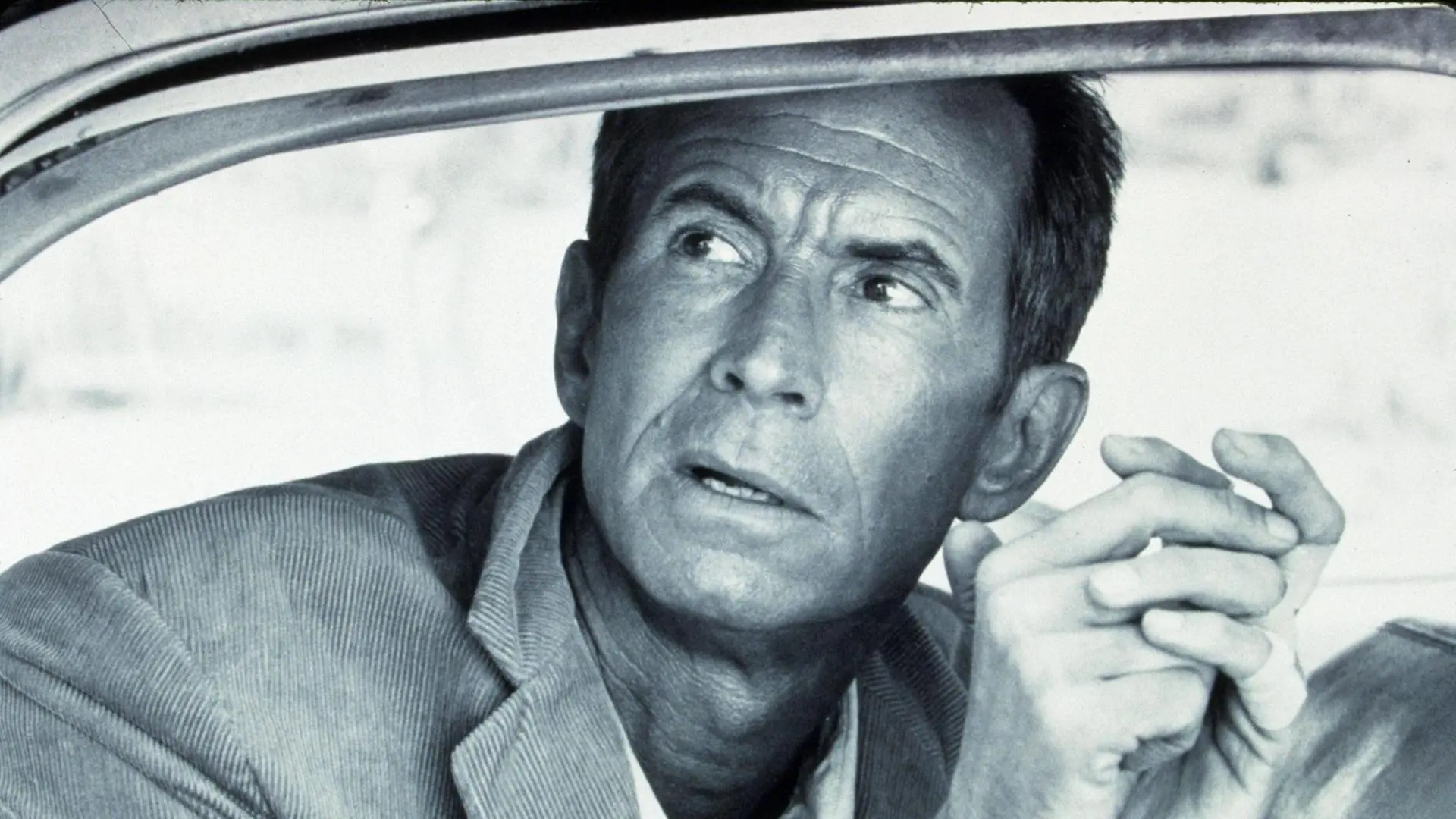
Originally introduced in Bloch’s novel, Bates was brought to the big screen by Alfred Hitchcock in the classic 1960 film adaptation. Portrayed by Anthony Perkins, Bates’s characterisation as both the masked antagonist and the deeply troubled individual added layers to his role, making him a pioneer for the psychological thriller genre. Bates’s duality—his role as a mild-mannered motel owner and a murderer—revolutionised horror by shifting the focus from supernatural elements to the psychological disturbances of an individual.
Impact on Popular Culture
The portrayal of Norman Bates has significantly influenced countless films and television shows. His character inspired a new archetype within the horror genre, establishing tropes such as the unreliable narrator and the psychological thriller’s focus on character-driven narratives. The success of ‘Psycho’ also breathed life into numerous sequels and remakes, including ‘Psycho II’ and the acclaimed TV series ‘Bates Motel’, which explored Bates’s backstory and the roots of his psychosis.
Modern Interpretations and Discussions
As society grapples with a growing awareness of mental health issues, the character of Norman Bates has sparked discussions about the representation of mental illness in media. Critics have pointed out that while Bates is a manifestation of horror, interpreting his actions through a psychological lens can encourage more compassionate understandings of real-life mental health struggles. The portrayal of characters like Bates can either reinforce stigma or contribute to a more nuanced perspective on mental health, depending on how they are contextualised.
Conclusion
Norman Bates remains a compelling figure in horror fiction, serving as both an emblem of terror and a representation of psychological complexity. His lasting legacy endures not only through films and literature but also within broader conversations about the human experience and mental illness. As horror continues to evolve, Bates’s character will undoubtedly inspire future generations of storytellers. Understanding the significance of Norman Bates allows readers and viewers to reflect on societal issues while experiencing the chilling thrills of psychological horror.
