Introduction
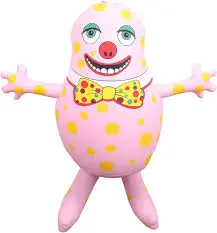
Mr Blobby, a character created on the BBC television show “Noel’s House Party” in the early 1990s, is more than just a whimsical pink blob; he is a cultural icon in the United Kingdom. Renowned for his clumsy antics, distinctive giggle, and playful interactions, Mr Blobby has evoked both laughter and nostalgia in several generations. As the character makes a return to the spotlight, a closer examination of his significance and popularity is essential to understand his lasting impact on British pop culture.
The Rise of Mr Blobby
Mr Blobby first graced the screens in 1992, captivating audiences with his childlike behaviour and slapstick humour. His blend of innocence and absurdity struck a chord, leading to his becoming one of the show’s most beloved features. In 1993, Mr Blobby achieved remarkable commercial success with his eponymous single reaching number one on the UK Singles Chart, further solidifying his status as a household name.
Recent Developments
In recent years, Mr Blobby has witnessed a resurgence in popularity, with social media platforms becoming a new stage for his antics. Memes featuring Mr Blobby have circulated widely, showcasing his comedic charm and reminding audiences of his playful spirit. Additionally, there have been hints of possible television revivals or guest appearances, reflecting the character’s enduring appeal in contemporary media. The public response to these developments suggests a willingness for nostalgia-driven content, particularly among those who grew up in the 90s.
The Significance of Mr Blobby
Mr Blobby serves as more than just a source of entertainment; he encapsulates a specific era in British television and culture. His outrageous persona and slapstick humour stand in contrast to today’s more polished productions, which often emphasise nuance and sophistication. This disparity invites discussion on the evolution of comedy and the cultural shifts that have occurred since Mr Blobby’s heyday.
Conclusion
The character of Mr Blobby is undeniably etched into the fabric of British entertainment history. As he continues to make waves and elicit laughter, he highlights a unique facet of nostalgia that is being embraced by various generations. Whether through memorable television appearances or a resurgence on social media, Mr Blobby remains a testament to the whimsical nature of British humour and its enduring power to resonate with audiences. Looking forward, it will be interesting to see how Mr Blobby evolves alongside current entertainment trends and what future roles he may play in the entertainment landscape.
