Introduction
Fawlty Towers, the iconic British sitcom written by John Cleese and Connie Booth, first aired in 1975 and has remained a staple of British comedy ever since. With its unique blend of farce and character-driven humour, the show has left a lasting impact on television and popular culture. As audiences both old and new continue to discover its charms, understanding the show’s relevance in today’s media landscape is vital.
Overview of Fawlty Towers
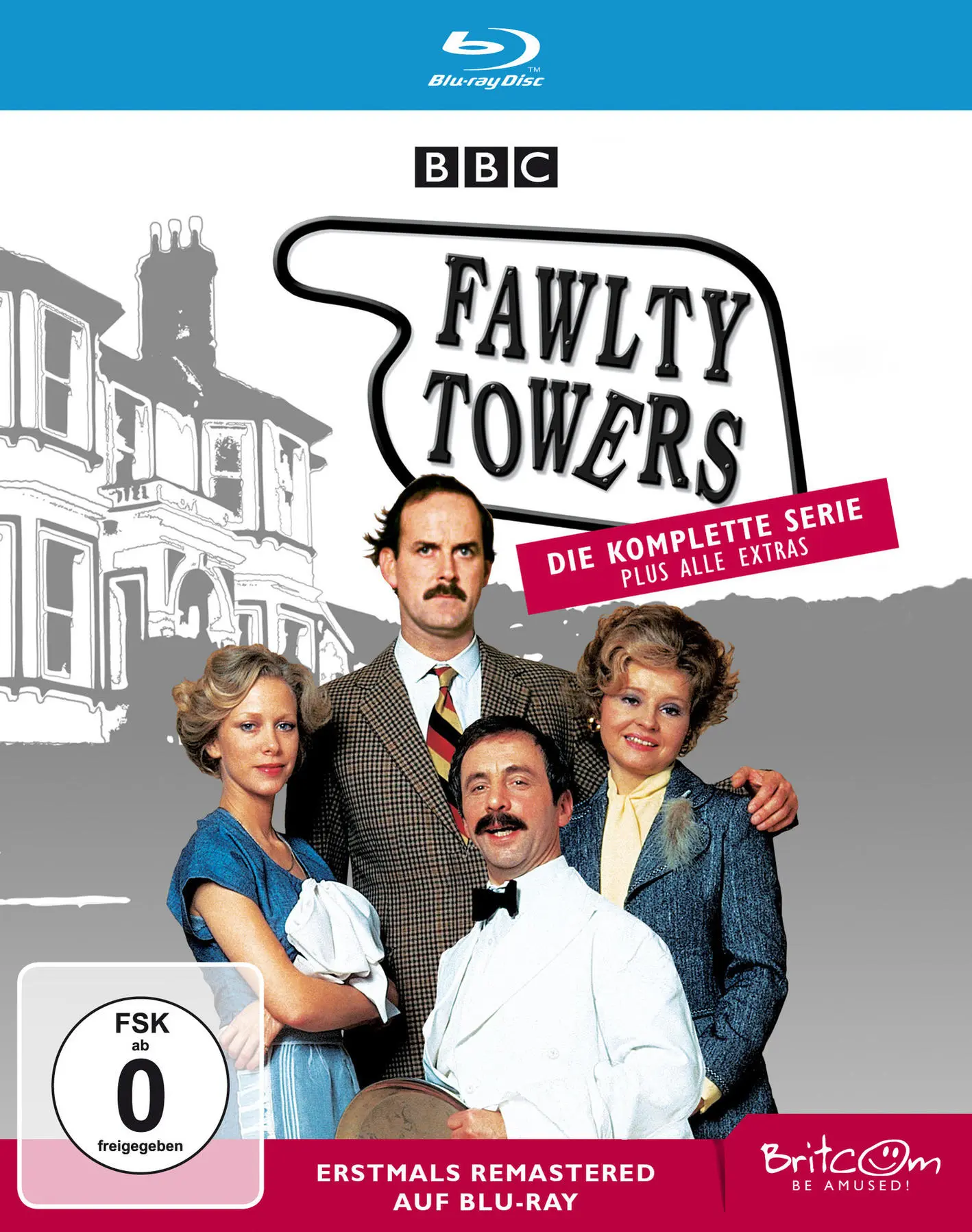
Set in a fictional hotel in Torquay, Fawlty Towers follows the misadventures of the rude and incompetent owner Basil Fawlty, played by John Cleese, alongside his wife Sybil and their diverse cast of staff and guests. The series aired for just two seasons, comprising 12 episodes, but its innovative storytelling and memorable characters have secured it a place in television history.
Recent Commemorations and Influence
This year marks the 50th anniversary of the show’s premiere, prompting various events and discussions on its significance. Notably, festivals and panel discussions have highlighted how Fawlty Towers influenced numerous comedians and sitcoms that followed. Shows such as The Office and Parks and Recreation cite Fawlty Towers as a key reference in achieving a balance between absurdity and character depth.
In a recent interview, comedian Ricky Gervais remarked on Cleese’s work, stating, “Fawlty Towers changed everything. The way it blended character and quick humour was revolutionary for sitcoms. It raised the bar for what comedy could achieve.” This sentiment resonates with many artists who remain inspired by the show’s unique style.
Upcoming Revival
Fans will be thrilled to know that a revival has been announced, with Cleese returning to collaborate with new creators to bring Fawlty Towers back for a contemporary audience. Although details are scarce, expectations are high given the show’s historical significance. According to insider sources, the revival aims to capture the original’s spirit while addressing modern social themes, which many hope will introduce a whole new generation to its humour.
Conclusion
The legacy of Fawlty Towers continues to thrive, evident in its cult following and influence on modern comedy. As we celebrate 50 years of the series, its relevance not only underlines its critical acclaim but also reflects the way humour can transcend time. The upcoming revival will no doubt reignite interest and ensure that Basil Fawlty’s farcical misdeeds remain as impactful today as they were in the 1970s. For comedy enthusiasts, Fawlty Towers is more than just a series; it is a timeless piece of entertainment history that is set to endure through generations.
