Introduction
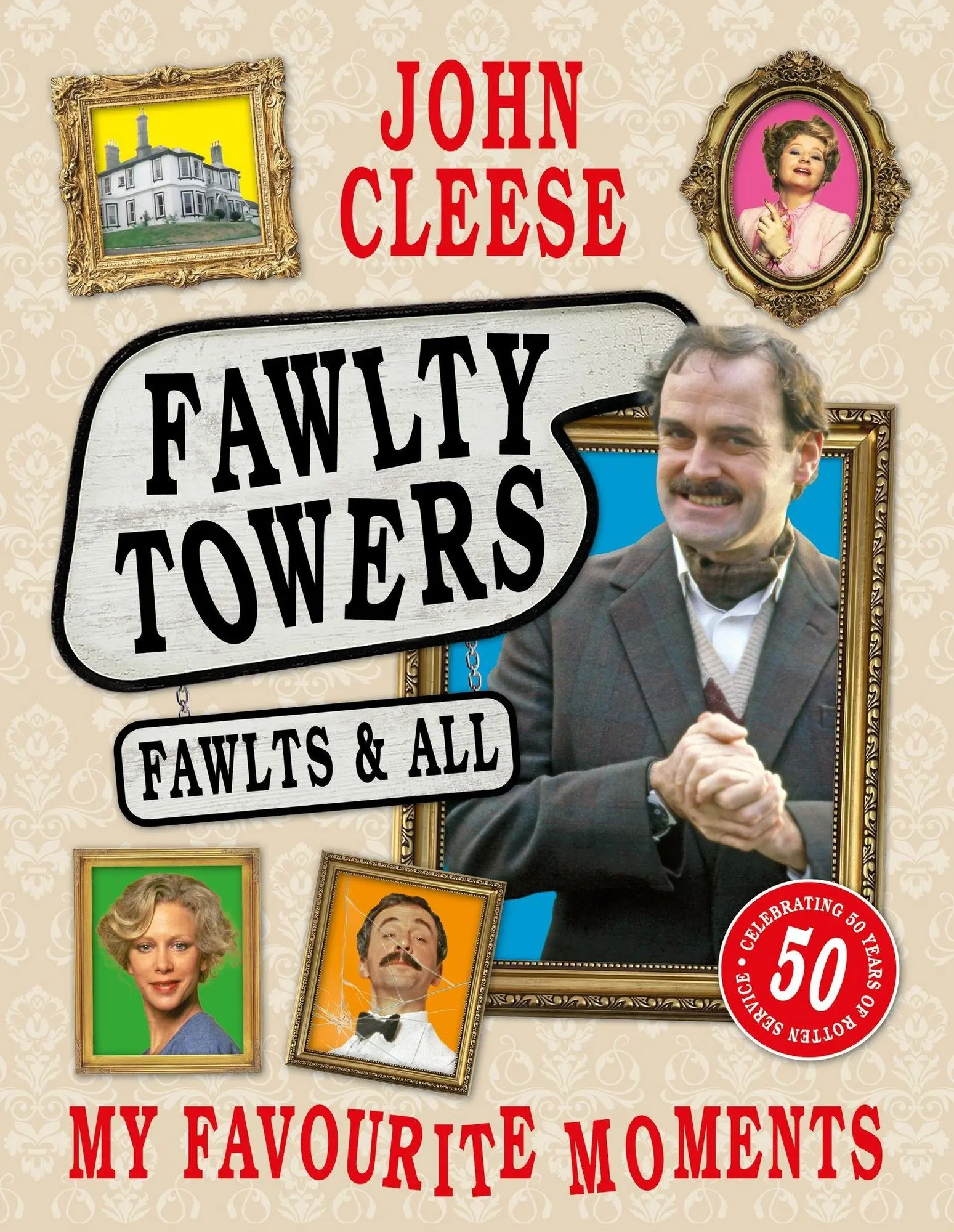
Fawlty Towers, a British sitcom created by John Cleese and Connie Booth, first aired in the 1970s and has since become a cornerstone of British comedy. With only two seasons produced, the series has left an indelible mark on the genre, influencing countless writers and comedians. As discussions around sitcoms and their cultural significance continue to thrive, understanding Fawlty Towers’ relevance is essential for both fans and critics alike.
Overview of Fawlty Towers
Set in a fictional hotel in Devon, England, Fawlty Towers revolves around the misadventures of the rude and incompetent owner, Basil Fawlty, played by John Cleese. The series features a variety of quirky characters, including the head-waiter Manuel, portrayed by Andrew Sachs, who brings his own unique charm and comedic flair to the show. The dynamic between the volatile Basil and the tough-minded Sybil, played by Prunella Scales, also adds layers of humour and drama to the story.
Critical Reception and Influence
Upon its initial airing, Fawlty Towers received mixed reviews but gradually gained recognition, securing a spot as one of the greatest sitcoms of all time. Today, it holds a 100% rating on Rotten Tomatoes, a testament to its enduring appeal. The show’s influence extends beyond British shores, providing inspiration for American sitcoms and being referenced in various forms of modern media.
The rapid-fire dialogue, character-driven plots, and expertly crafted comedic timing continued to resonate with audiences, leading to a profound impact on comedy writing. Renowned sitcoms such as The Office and Parks and Recreation have cited Fawlty Towers as a significant inspiration, showcasing its lasting relevance in the landscape of television comedy.
Revival and Future Prospects
Recently, discussions about the potential revival of Fawlty Towers have resurfaced, igniting nostalgia for the classic characters and storylines. John Cleese has hinted at the possibility of a new series, stating that the revival could explore themes relevant to contemporary society, reflecting the show’s original essence. While the specifics remain uncertain, the enduring popularity of the show suggests that a revival could generate significant interest from both old and new fans alike.
Conclusion
The legacy of Fawlty Towers is a testament to the power of humour in storytelling, illustrating the complexities of human existence through a comedic lens. Its blend of farce with character-driven narratives continues to influence writers, and its status as a beloved classic serves to highlight the show’s relevance even decades after its initial broadcast. As discussions surrounding a potential revival emerge, fans can only hope that the essence of what made Fawlty Towers iconic is captured anew, paving the way for a new generation to experience its comedic brilliance.
