Introduction
Since its premiere in 2008, Breaking Bad has left an indelible mark on the landscape of television. Created by Vince Gilligan, the series tells the story of Walter White, a high school chemistry teacher turned methamphetamine manufacturer, and explores themes of morality, family, and the consequences of crime. Its unique blend of drama and dark humour, coupled with strong character development, has not only captivated audiences but has also set a new standard for storytelling in television.
Breaking Bad’s Cultural Impact
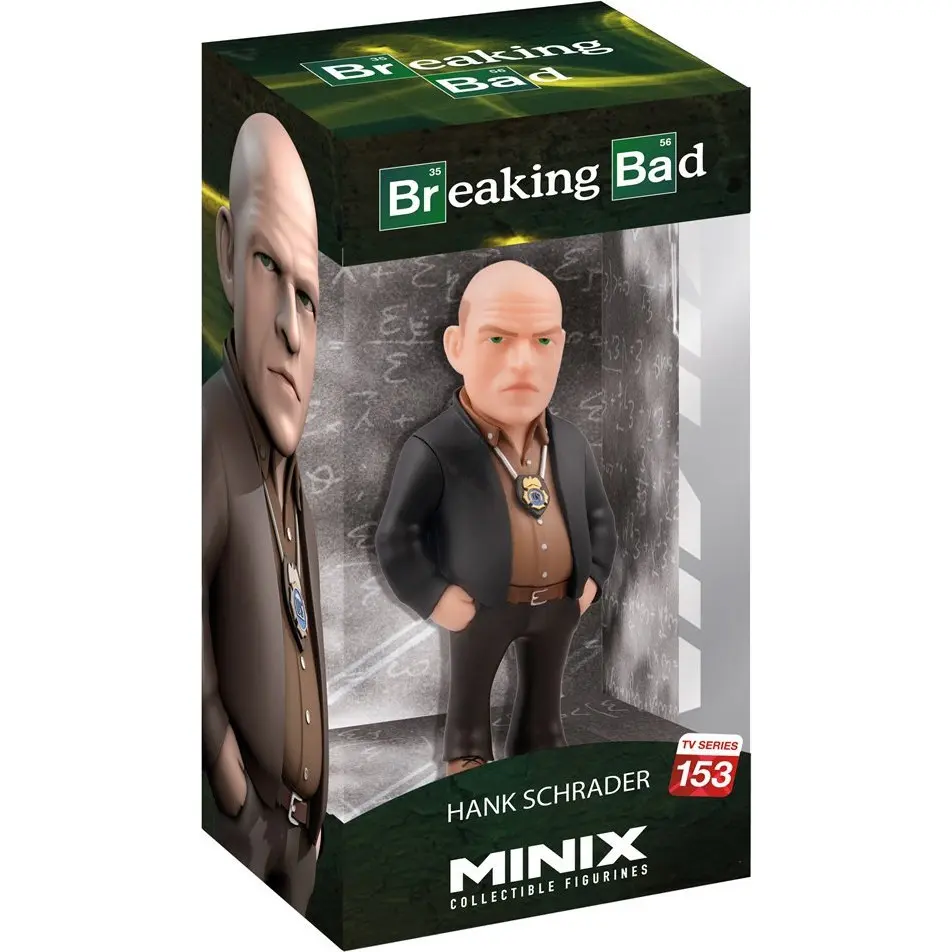
Breaking Bad’s influence can be seen in various aspects of popular culture. From its memorable quotes—such as “I am the one who knocks”—to its iconic imagery, the series has permeated the zeitgeist. The character of Walter White, played by Bryan Cranston, has become emblematic of the antihero trope, showcasing the complexities of human nature. Fans have created numerous memes, fan art, and merchandise, further attesting to the show’s enormous following.
Critical Acclaim and Awards
The series received widespread acclaim from critics and audiences alike, winning 16 Primetime Emmy Awards over its five seasons. Bryan Cranston’s portrayal of Walter White earned him multiple Emmy Awards for Outstanding Lead Actor in a Drama Series. The show’s writing, direction, and cinematography have also been lauded, contributing to its reputation as one of the greatest television shows of all time. As of 2023, it ranks as the top-rated TV series on IMDb, a testament to its enduring popularity.
Sequel and Spin-offs
Following the show’s conclusion in 2013, its legacy continued through the prequel spin-off series Better Call Saul, centred around the character of Jimmy McGill, a small-time lawyer who eventually becomes Saul Goodman, Walter White’s lawyer. The prequel has garnered critical acclaim for its storytelling and character development, further expanding the Breaking Bad universe. In addition, the sequel film El Camino: A Breaking Bad Movie, released in 2019, provided an avenue to conclude the story of Jesse Pinkman, another central character.
Conclusion
The impact of Breaking Bad on television and popular culture is immensely significant. It has inspired a new era of storytelling that emphasises character complexity and moral ambiguity. As audiences continue to embrace quality television, Breaking Bad‘s influence will undoubtedly resonate for years to come, cementing its place in the annals of television history. The exploration of themes such as family, ambition, and consequence remains remarkably relevant in today’s societal context. In summary, Breaking Bad is not just a TV show; it is a cultural phenomenon that continues to shape narratives across entertainment mediums.
