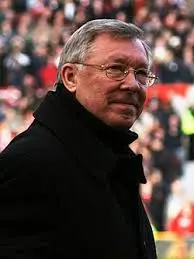
Introduction: A Football Icon
Sir Alex Ferguson, one of the most iconic figures in football history, has left an indelible mark on the sport as a manager, particularly during his tenure at Manchester United. His success on and off the pitch highlights the significance of effective leadership in sports, making his insights and strategies highly relevant to both current and aspiring football managers.
Ferguson’s Career Overview
Ferguson began his managerial career in the late 1970s with East Stirlingshire and then St. Mirren before moving to Aberdeen, where he famously ended Celtic’s dominance in Scottish football. His success at Aberdeen, including a European Cup Winners’ Cup triumph in 1983, caught the attention of Manchester United, who appointed him as their manager in 1986.
Transforming Manchester United
Ferguson faced a challenging initial phase at Manchester United, but his determination and tactical innovations soon saw the club rise to prominence. Under his leadership, Manchester United won an unprecedented 13 Premier League titles, 5 FA Cups, and 2 UEFA Champions League titles, establishing the club as one of the most successful in football history. His emphasis on youth development led to the emergence of homegrown talents like Ryan Giggs, Paul Scholes, and David Beckham, who became vital components of the team’s success.
Lessons from Ferguson’s Leadership
Ferguson’s management style was characterised by his ability to adapt and evolve. He was known for his fierce competitiveness and tactical flexibility, teaching future managers the importance of continuous improvement and understanding the game. His famous ‘hairdryer treatment’, a method of motivating and challenging players, underscored his passion for excellence and his desire for nothing less than the best from his team.
The Continuing Influence
Since retiring in 2013, Ferguson has remained influential in football, often consulted for his insights on management and leadership. His books and appearances at various football conferences continue to inspire new generations of athletes and coaches. Recently, he attended events alongside current football figures, engaging in conversations about the game’s evolution.
Conclusion: A Legacy Beyond Football
Alex Ferguson’s impact on football transcends titles and trophies; he embodies the principles of hard work, resilience, and strategic thinking. His legacy will endure, not just as a manager of Manchester United, but as a visionary who transformed the managerial landscape in football. Aspiring coaches can learn invaluable lessons from his career, ensuring that Ferguson’s influence on the game remains significant for years to come.
