Introduction
‘All Creatures Great and Small,’ a beloved series penned by James Herriot, has captivated audiences for decades. This collection of stories, which chronicles the adventures of a country vet in Yorkshire, not only offers heartwarming tales of animal care but also highlights the deep-rooted connection between humans and their pets. Its relevance is heightened in our modern context, where mental health and well-being have emerged as significant topics of discussion. By exploring this series, we gain insight into themes of compassion, resilience, and the simple joys of life.
The Legacy of James Herriot
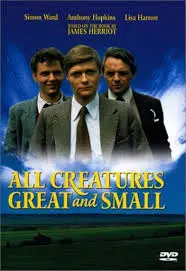
James Herriot, whose real name was Alfred Wight, published his first book in 1972, introducing readers to a world where every creature has its own story. His compelling narratives blend humour with poignant moments, making them relatable to readers from various backgrounds. The success of his books led to the formation of adaptations, most notably the television series first aired in 1978. This successful portrayal captivated audiences with its picturesque landscapes and charming characters, setting a precedent for future adaptations.
Recent Adaptations and Cultural Impact
The series saw a revival with a modern adaptation that premiered in 2020. This new version has attracted a younger audience while maintaining the warmth and authenticity of the original. Viewers have lauded its beautiful cinematography and performances, which reintroduce Herriot’s stories to a new generation. As of now, the show has secured a firm place in popular culture, not just in the UK, but globally, bridging generational gaps and sparking interest in veterinary professions.
Significance for Today’s Readers
The themes presented in ‘All Creatures Great and Small’ resonate strongly with contemporary values. In an age dominated by technology, the series emphasizes the importance of community, empathy, and connection to nature—elements that contribute positively to mental health and personal well-being. Many viewers have reported using the stories as a form of escapism, finding comfort in the simplicity and sincerity of Herriot’s narratives. Additionally, the teachings on animal care and ethical treatment encourage a more compassionate approach towards pets, fostering responsible stewardship of animals.
Conclusion
‘All Creatures Great and Small’ stands as a significant cultural artifact, encapsulating not only the historical context of veterinary practices but also the timeless connection between humans and animals. As the series continues to thrive through adaptations and discussions, it reminds us of the empathy and care that bind us to all creatures, great and small. As we move forward, the lessons from Herriot’s stories will undoubtedly inspire future generations to uphold these values in their everyday lives.
