The Importance of the Elizabeth Line
The Elizabeth Line, also known as Crossrail, is one of the most significant infrastructure projects in London, aimed at transforming the way people commute across the city. Opened on May 24, 2022, this 60-mile railway network connects Reading and Heathrow in the west to Shenfield and Abbey Wood in the east, fundamentally altering the transportation landscape of the capital. The line addresses critical capacity issues, reduces journey times, and encourages the use of public transport in a city battling congestion and pollution.
Key Features and Benefits
The Elizabeth Line boasts several features that enhance commuter experience. With 41 accessible stations, including 10 new ones, it provides efficient travel options for millions of Londoners. Trains operate at a frequency of every 5 minutes during peak hours, significantly reducing waiting times for passengers. Journey time reductions are a major advantage; for example, the trip from Liverpool Street to Heathrow can be completed in just 39 minutes, a substantial improvement compared to other modes of transport.
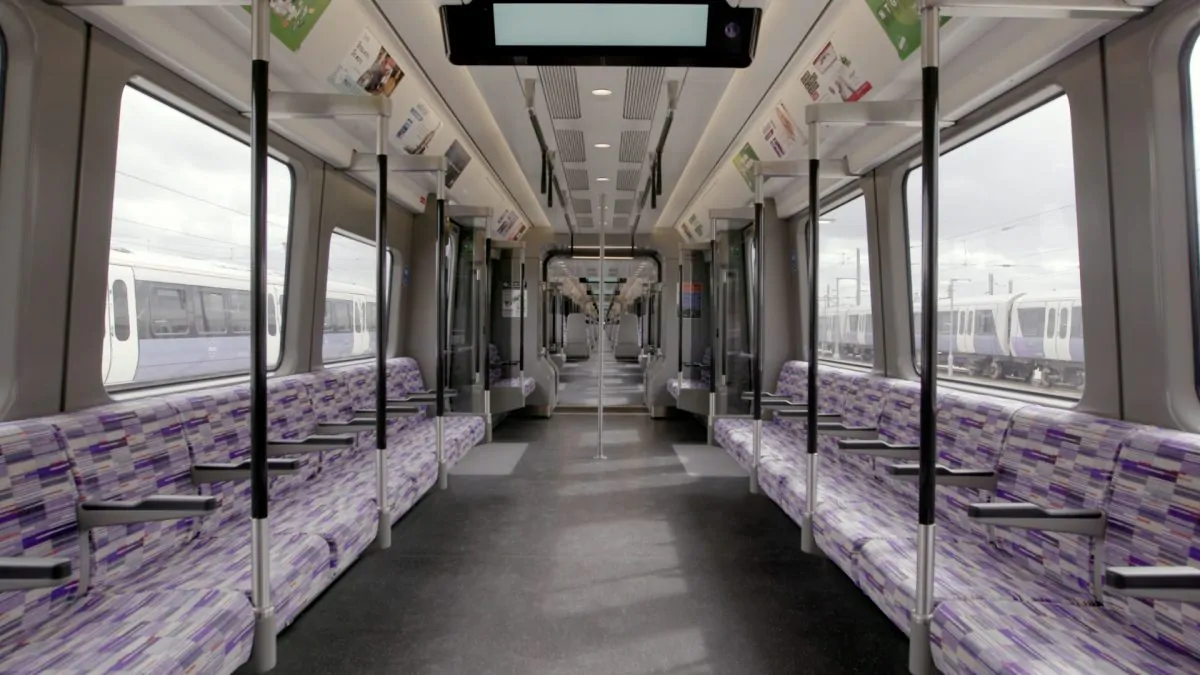
The line is also equipped with modern technology aimed at improving safety and passenger comfort. Features include air conditioning, real-time travel information displays, and spacious, well-designed carriages. The introduction of step-free access at many stations also represents a significant advancement for accessibility.
Impact on London’s Economy and Environment
The Elizabeth Line is projected to contribute approximately £42 billion to the economy, facilitating job creation and easing congestion in inner London. The Crossrail project is expected to support 55,000 jobs during construction and will create an additional 1.5 million square feet of commercial and residential space near its stations.
Moreover, the Elizabeth Line promotes a shift towards greener travel. By encouraging residents to use public transport over cars, it aims to help reduce carbon emissions and traffic noise in the city while simultaneously boosting local businesses by increasing footfall in areas around its stations.
Looking Ahead
As the Elizabeth Line continues to establish itself as a critical component of London’s transport network, plans for future extensions are already being discussed. The franchise holders are focused on improving services, including potential routes that further integrate with existing rail networks and expand connectivity across the city.
Conclusion
The Elizabeth Line is more than just a new railway; it is a catalyst for change in London’s transport infrastructure. By making travel quicker, more accessible, and environmentally friendly, it promises to enhance the quality of life for Londoners for generations to come. As more passengers discover its benefits, the Elizabeth Line will play an increasingly vital role in addressing the challenges of urban transport in one of the world’s busiest cities.
