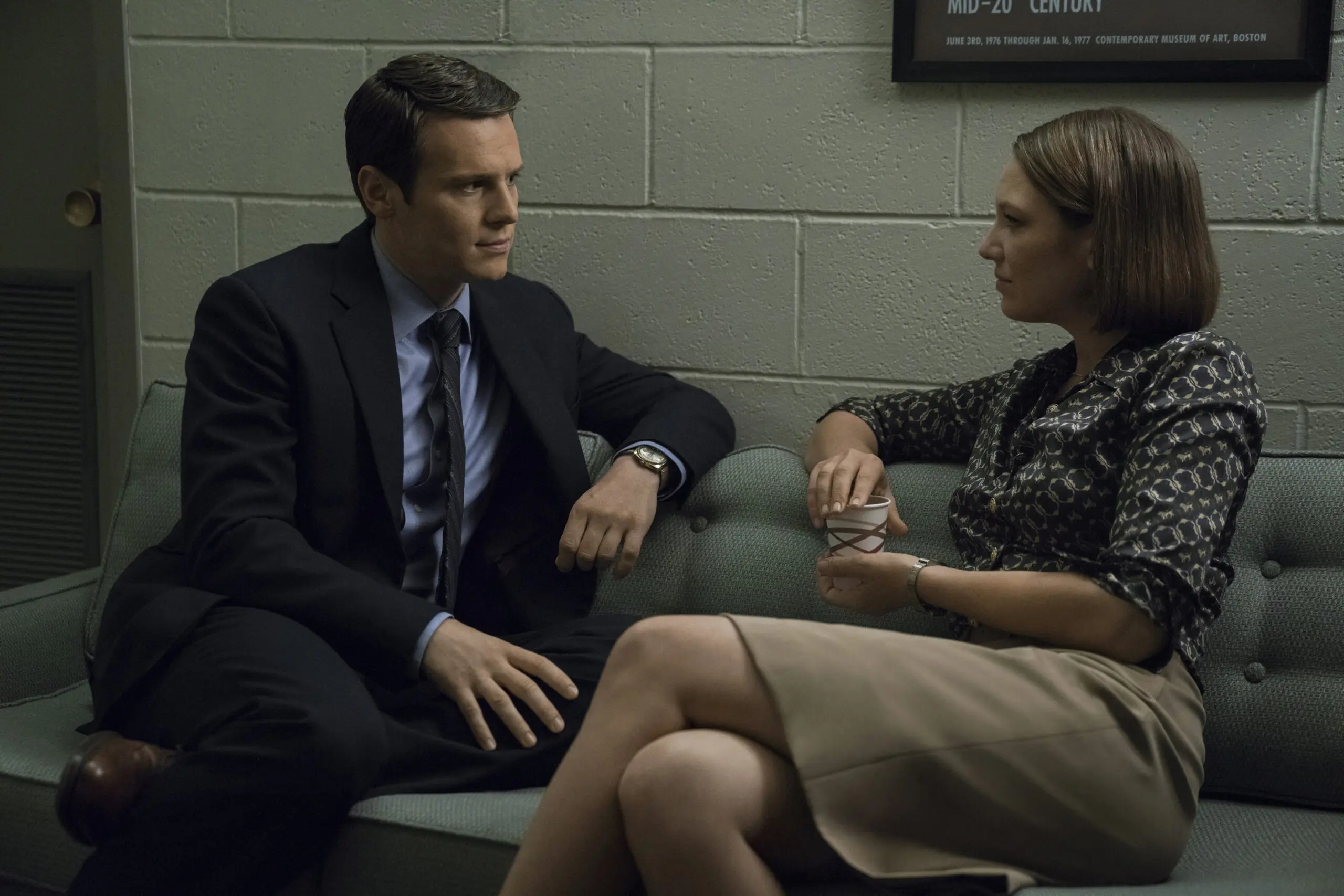
Introduction
‘Mindhunter’ is a breakthrough crime thriller series from Netflix that captivated audiences with its unique approach to criminal psychology. Based on real events and individuals, the show delves into the early days of the FBI’s criminal profiling unit during the late 1970s. With an ever-growing interest in true crime narratives and psychological exploration, ‘Mindhunter’ has resonated powerfully with viewers and has highlighted the complexities of understanding criminal behavior.
Overview of ‘Mindhunter’
Premiering in 2017, ‘Mindhunter’ is developed by David Fincher and Charlize Theron, inspired by the true crime book ‘Mindhunter: Inside the FBI’s Elite Serial Crime Unit’ by John E. Douglas and Mark Olshaker. The series features fictionalised portrayals of real-life serial killers including Edmund Kemper, Jerry Brudos, and Richard Speck, while following the fictional characters Holden Ford and Bill Tench, agents who strive to comprehend the minds of these dangerous individuals. Throughout its two seasons, the show has received critical acclaim for its writing, performances, and unsettling atmosphere.
Significance and Cultural Impact
The significance of ‘Mindhunter’ extends beyond its gripping narrative; it has opened discussions about criminal psychology and societal perceptions of crime. The series effectively humanises some of the most notorious killers in history and explores the traumatic effects of their actions on victims and families. As a result, ‘Mindhunter’ fosters a deeper understanding of serial killers’ psychological profiles, giving context to the motivations behind their gruesome acts.
Recent Developments
Despite its success and a loyal fanbase, the future of ‘Mindhunter’ remains uncertain. In January 2020, Netflix announced that the series was on indefinite hold, with David Fincher focusing on other projects. This announcement sparked disappointment among fans who expressed a desire for closure and a continuation of the story. Additionally, the show’s continued popularity has led to renewed discussions about the potential for a third season, supported by ongoing interest in both the series and the true crime genre.
Conclusion
In conclusion, ‘Mindhunter’ stands as an influential work within the true crime genre, greatly impacting the way audiences engage with stories about crime and criminal psychology. It challenges viewers to confront the darker aspects of humanity while encouraging discussions around prevention, criminal behaviour, and the justice system. As public interest in true crime persists, ‘Mindhunter’ remains a significant cultural touchstone, essential for understanding not just the minds of criminals, but also the fears and complexities of society itself. Whether the series will return for another season or remain a beloved, unfinished saga, its contributions to the field of criminology and entertainment are undeniable.
