Introduction
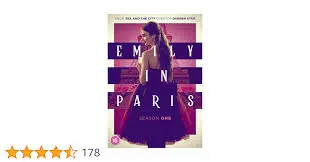
‘Emily in Paris’, the Netflix series that debuted in October 2020, has rapidly become a cultural touchstone for fashion enthusiasts and fans of romantic comedy alike. The show has not only captivated audiences with its charming narrative and vibrant cinematography but has also ignited discussions about cultural stereotypes, fashion trends, and the evolving representation of women in media.
Overview of the Series
Set against the backdrop of the iconic city of Paris, the series follows Emily Cooper, played by Lily Collins, as she navigates her new job at a French marketing firm. With her American approach clashing with the traditional French office culture, the show is packed with comedy and drama, making for an engaging watch. In its first season, the series connected with over 58 million households, proving its global appeal.
Fashion Influence
One of the most significant elements of ‘Emily in Paris’ is its stunning fashion. The series has been praised for its vibrant and stylish wardrobe, showcasing a mix of haute couture and accessible fashion choices. Costume designer Patricia Field, known for her work on ‘Sex and the City’, played a crucial role in creating memorable looks that have inspired fashion trends worldwide. Viewers have noted a resurgence in berets, tailored blazers, and bold colours directly influenced by Emily’s outfits.
Cultural Stereotypes and Criticism
Despite its popularity, ‘Emily in Paris’ has not been without criticism. Many cultural commentators argue that the show perpetuates clichés about French life, from the romanticization of Parisian culture to the depiction of French locals. Critics have pointed out that the series fails to authentically represent the complexities of diverse Parisian culture. Nevertheless, these criticisms have spurred conversations about the importance of nuanced storytelling in media.
Conclusion
‘Emily in Paris’ continues to be a significant topic in discussions about contemporary television, fashion, and cultural representation. As the show approaches its third season in late 2023, its impact on fashion trends and cultural perceptions is sure to be felt for years to come. The blend of romance, drama, and style not only delights audiences globally but also poses questions about the portrayal of cultures in entertainment. Future seasons will need to address these criticisms while still maintaining the charm that has made the series a runaway success.
