Introduction
As the acclaimed prequel to the groundbreaking series Breaking Bad, Better Call Saul has captivated audiences and critics alike since its debut in 2015. The show, created by Vince Gilligan and Peter Gould, delves into the transformation of Jimmy McGill, a small-time attorney hustling to make a name for himself, into Saul Goodman, the morally challenged lawyer known for his underhanded tactics. The series is not only a masterclass in character development but also highlights ethical dilemmas, the struggles of the justice system, and the complexities of human relationships.
Key Developments and Themes
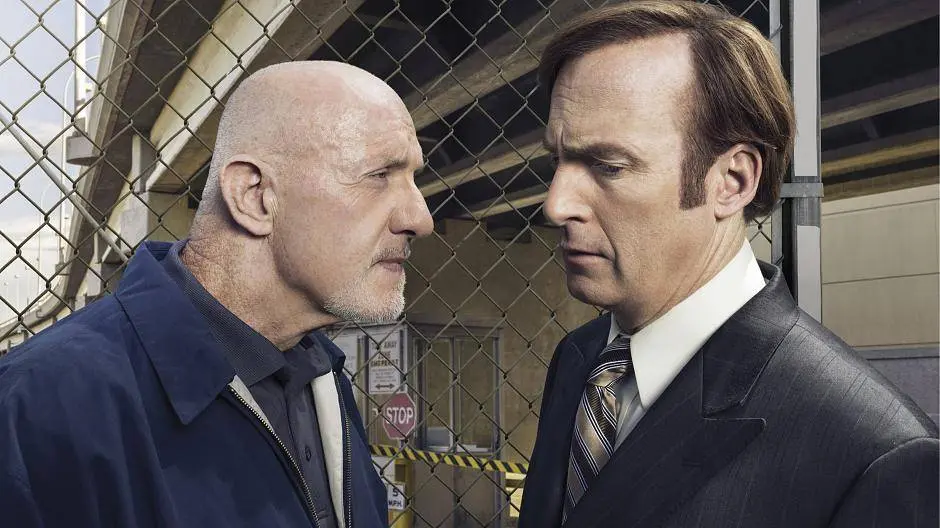
Better Call Saul has consistently received praise for its intricate storytelling and rich character arcs. The most recent season, which concluded in August 2022, brought Jimmy’s journey to a gripping climax, with a focus on his ties to notorious characters from Breaking Bad, including Walter White and Mike Ehrmantraut. The seamless incorporation of these characters keeps long-time fans engaged while simultaneously attracting new viewers.
The production is notable for its exceptional cinematography and attention to detail, showcasing the beauty of Albuquerque, New Mexico, where the series is set. This attention to location has not only enhanced the narrative but has also drawn tourism interest, further solidifying the show’s influence on popular culture.
Critics’ Acclaim
The series has won numerous awards, including multiple Primetime Emmy Awards, and has recorded high ratings across platforms. Critics commend Better Call Saul for its slow-burn storytelling and its exploration of themes such as morality, identity, and the consequences of one’s choices. The multi-dimensional portrayal of characters adds depth, with Bob Odenkirk’s performance as Jimmy McGill/Saul Goodman being a particular highlight.
As the show progresses, it continues to tackle relevant societal issues, such as the justice system’s accessibility and the ethics of legal practice, provoking thought and discussion among audiences. The moral ambiguity presented in the show has become relatable, reflecting the complexities of real-life legal and ethical dilemmas.
Conclusion
With its innovative storytelling, rich character arcs, and cultural resonance, Better Call Saul stands as a significant achievement in modern television. As the series wraps up, viewers are left with reflections on the nature of transformation, the impact of choices, and the blurred lines between right and wrong. Despite concluding, its legacy will undoubtedly live on, influencing future storytelling and prompting further discussions about morality in both the legal world and society at large. The show’s ability to provoke thought, coupled with its narrative expertise, ensures its place in television history as a formidable companion to Breaking Bad.
