Introduction: The Importance of Understanding the Issue
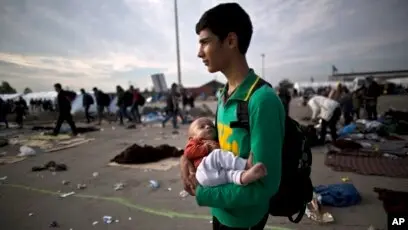
The subject of asylum seekers, particularly those from Afghanistan, is increasingly critical in today’s geopolitical landscape. With a surge in asylum applications following the Taliban’s resurgence in 2021, there are complex discussions around the potential for Afghan asylum seekers to visit their homeland. This topic raises pertinent questions regarding safety, identity, and the status of those who have fled their countries due to conflict and persecution.
Current Context of Afghanistan
Since the Taliban regained control of Afghanistan in August 2021, the country has faced numerous challenges, including human rights violations, economic collapse, and a deteriorating humanitarian situation. Many Afghans who sought refuge in countries such as the UK have expressed concerns for their families back home, with some contemplating visits as a means of reconnecting.
However, with ongoing violence and instability, the safety of these individuals — both in terms of personal safety and their legal status in host countries — remains uncertain. A key factor is the evolving landscape of governance in Afghanistan and the difficulties of international travel, particularly due to restrictions imposed by neighbouring countries.
Legal Implications of Returning
For asylum seekers, there are significant legal ramifications associated with travelling back to Afghanistan. Many countries have stringent guidelines regarding the return of refugees to their country of origin. The act of travelling may jeopardise an asylum seeker’s status, especially if they are perceived as having voluntarily returned, thereby questioning their claims of persecution.
Legal experts stress the importance of understanding bilateral agreements, asylum eligibility criteria, and the potential for renewed scrutiny of asylum applications after any travel to Afghanistan. This complexity is heightened by the fluid situation in the country, where risks fluctuate rapidly.
Conclusion: Future Perspectives and Considerations
The issue of Afghan asylum seekers contemplating trips back home remains fraught with complications. As the situation in Afghanistan continues to evolve, the discourse surrounding holidays for asylum seekers serves as a reminder of the intricate balance between identity, safety, and belonging. It is essential for policymakers and legal advocates to ensure that refugees are well-informed about the potential risks associated with travel, as well as the implications for their asylum status. As the world watches Afghanistan’s condition, the plight of its people must remain at the forefront of international discourse.
