Introduction
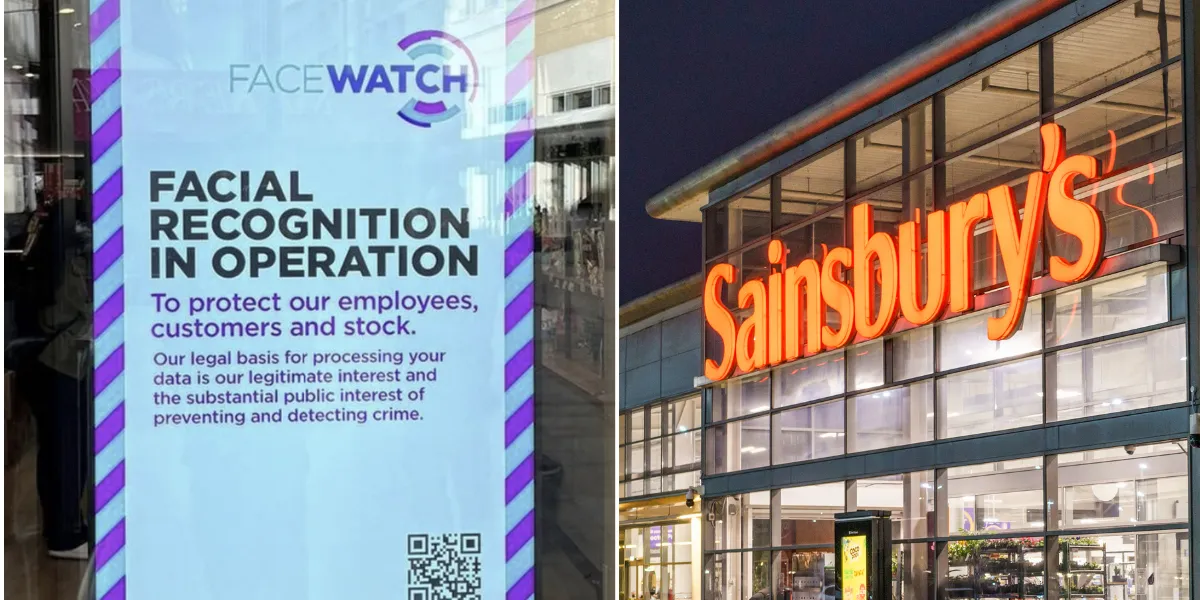
In recent news, Sainsbury’s has faced criticism over a facial recognition error that raises significant concerns about customer privacy and the misuse of technology. As one of the UK’s leading supermarket chains, Sainsbury’s implementation of high-tech security measures is designed to enhance safety. However, this incident has brought up vital discussions around data protection, consent, and the ethical implications of using artificial intelligence in public spaces.
The Incident
During a routine surveillance update in one of its stores in East London, facial recognition software malfunctioned and mistakenly identified several customers as potential shoplifters. This error led to unnecessary detentions and heightened security alerts, causing distress among shoppers who were merely going about their daily routines. According to reports, this incident occurred over a weekend, leading to a significant backlash when those affected were wrongly accused and their data wrongly processed.
Public Response and Concerns
Customers and privacy advocates have united in their condemnation of Sainsbury’s use of facial recognition technology. Many argue that such systems infringe on personal privacy and can lead to discrimination. Activist groups have pointed out that this incident highlights the potential for errors in technology that can affect innocent individuals. Discussions regarding the lack of transparency in how such technologies are implemented have gained traction on social media platforms, further galvanising public opinion against invasive surveillance measures in retail environments.
Company’s Statement and Future Actions
In response to the uproar, Sainsbury’s issued a statement acknowledging the error and expressing regret for the distress caused. The company emphasized its commitment to ensuring customer privacy and stated that they are reviewing the use of facial recognition technology across all stores. Experts predict that this incident may prompt a reassessment of the legal frameworks governing surveillance technologies in the UK, especially concerning consumer rights and data protection laws.
Conclusion
The Sainsbury’s facial recognition error serves as a cautionary tale about the risks associated with implementing advanced surveillance technologies without adequate safeguards. As retailers increasingly adopt such systems to enhance security, it is crucial for them to ensure transparency, accountability, and respect for customer privacy. Looking forward, this incident may spark broader legislative changes, driving the conversation around privacy rights in the digital age while urging companies to approach technology with more caution and ethical consideration.
