Introduction to Daylight Saving Time
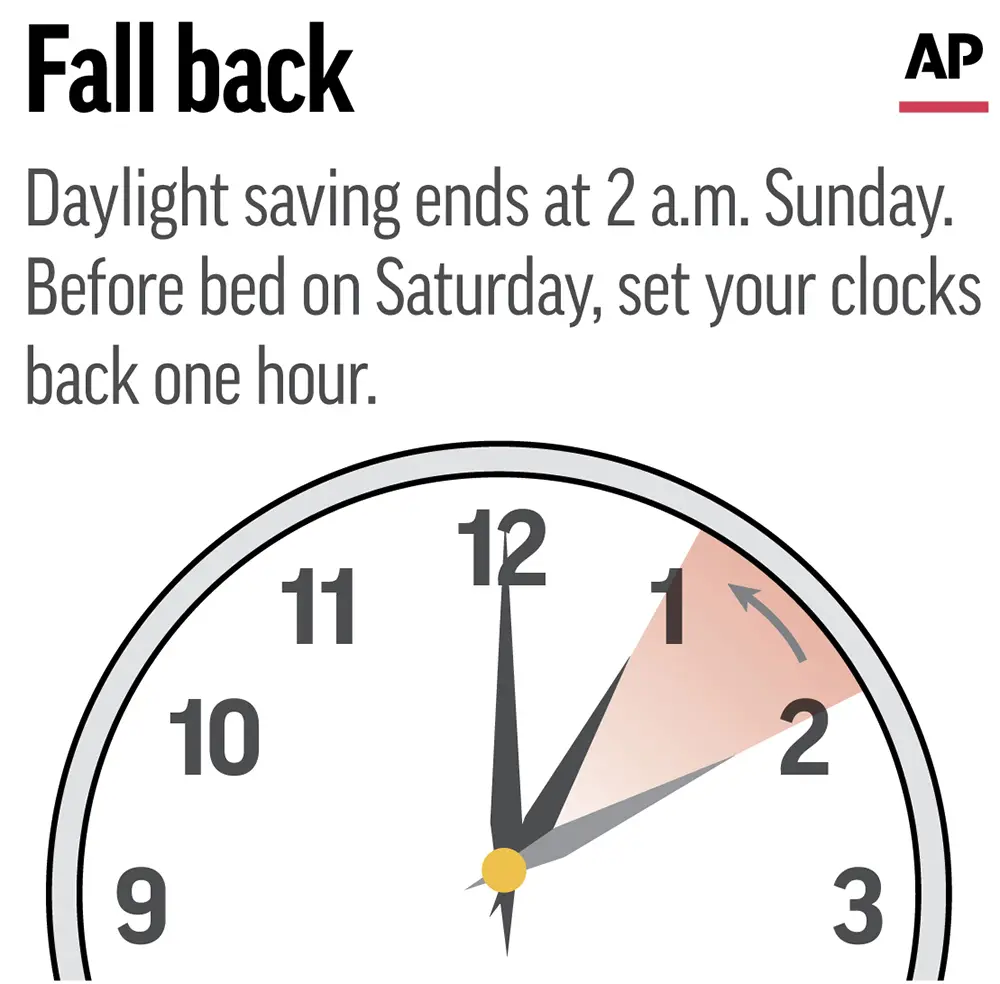
As the seasons change and autumn approaches, millions of people across the United Kingdom prepare for the ritual of changing their clocks back one hour. This transition, occurring on the last Sunday in October, signifies the end of Daylight Saving Time (DST). Understanding the implications of this clock change is essential, as it affects daily routines, mental health, and energy consumption.
Significance of the Clocks Going Back
The practice of moving clocks back is designed to make better use of daylight. By shifting an hour of daylight from the evening to the morning, communities can enjoy longer light during the day, thus reducing reliance on artificial lighting. The clock change also aims to improve road safety by reducing accidents by encouraging more travel in daylight, as studies have shown that more accidents occur in darkness.
Impact on Daily Life
While many enjoy the extra hour of sleep granted by the time change, the adjustment can have its downsides. Research suggests that the alteration in time can affect sleep patterns and overall health. Sleep experts note that the transition can cause temporary disruptions, impacting mood and performance, often associated with a phenomenon known as ‘autumnal jet lag.’ Additionally, some individuals may find it takes several days to fully adjust, leading to feelings of fatigue.
Energy Consumption and Sustainability
Originally, DST was implemented during World War I and II to conserve energy. Recent studies have examined the ongoing relevance of this practice in today’s society, particularly concerning energy efficiency and sustainability. According to the UK Government’s Department for Business, Energy & Industrial Strategy, evidence regarding energy savings from DST is mixed, prompting ongoing debates about the merits of continuing this tradition.
Future of Daylight Saving Time
As discussions about the future of DST continue, many countries and regions are reconsidering the necessity of the biannual clock change. The European Parliament has voted in favour of abolishing DST altogether, which could lead to significant changes in how countries approach time management in the coming years. Should the UK follow suit, the annual clock change could become a thing of the past, impacting lives in unforeseen ways.
Conclusion
The clock change on the last Sunday of October brings both benefits and challenges to society. While citizens relish the temporary extra hour of rest, the impact on sleep and daily routines cannot be overlooked. As nations worldwide debate the necessity of this practice, it remains crucial for individuals to prepare for the transition, ensuring their well-being and productivity during this shift. As we embrace the clocks going back, understanding its significance may enhance our experience of this seasonal change.
