Understanding Daylight Saving Time
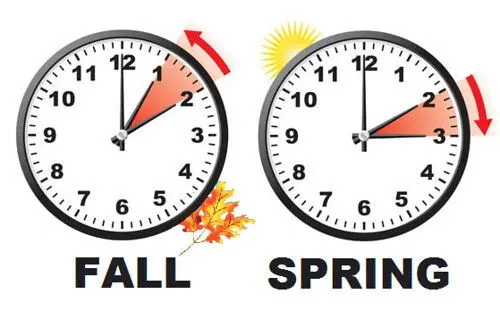
The practice of adjusting clocks forward in spring and back in autumn is known as Daylight Saving Time (DST). This year, the clocks will go back on Sunday, 26 October 2025, at 2:00 AM, marking a return to Greenwich Mean Time (GMT) in the UK. This biannual adjustment is intended to make better use of daylight during the longer days of summer.
Impact on Daily Life
The end of DST typically presents both adjustments and benefits for individuals and businesses alike. As the evenings grow darker, many people find that their routines become more structured around available light. Schools may adjust their schedules slightly for outdoor activities, and businesses may shift operating hours to accommodate customers’ preferences for shopping in daylight.
Health-wise, the change might also influence sleep patterns. As nights begin earlier, individuals may experience new challenges in adjusting their bedtime or waking hours. Sleep experts note that the switch may contribute to temporary disturbances in circadian rhythms, making it essential for individuals to manage their bedtime effectively.
Upcoming Chronological Changes
In 2025, the transition into GMT will not be the sole focus. The Government has also been reviewing the potential permanence of Daylight Saving Time. Some policymakers are advocating for the UK to stay on permanent British Summer Time (BST). This would keep the clocks forward for the entire year to maximise evening daylight during winter months. Public sentiment on this issue varies, making it a significant point of interest as society heads towards 2025.
Conclusion: Preparing for the Change
As we near the date for clocks going back in 2025, it becomes increasingly relevant for individuals to prepare for the shift. Businesses should plan accordingly, and families may consider adjusting their schedules a few days in advance to soften the impact. Moreover, with discussions surrounding potential changes to the DST system, this could be a pivotal year for how the UK manages daylight hours in the future. Staying informed about such developments can help ensure that everyone is ready for the transition when it occurs.
