Introduction
The emergence of the Chocolate Bar Conservative Party has ignited discussions within the UK’s political landscape. What started as a light-hearted campaign has transformed into a serious movement, attracting attention from traditional Conservative supporters and the younger demographic alike. This initiative underlines the growing influence of unique marketing strategies in contemporary politics, appealing to voters not just with policies but also with a relatable identity.
Background and Development
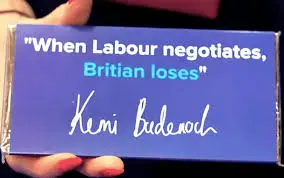
Since its inception earlier this year, the Chocolate Bar Conservative Party has been a novel addition to the political arena. Launched by a group of students at a London university, the party aims to engage younger voters through unconventional methods, using chocolates as both a branding strategy and a symbolic gesture of sweetening politics. Their slogan, ‘Making Politics Sweet Again,’ resonates with disenchanted young voters who are sceptical of mainstream parties.
Notably, their promotional events, where chocolate bars were distributed alongside political leaflets, drew significant crowds. The party’s founders highlighted that food politics was an effective means of breaking down barriers typically associated with political engagement, particularly among the youth.
Current Events and Impact
Recently, the Chocolate Bar Conservative Party gained traction after an innovative social media campaign went viral. Posts featuring the group distributing chocolate bars in London’s most frequented locations received thousands of likes and shares, highlighting a growing appetite for alternative political expressions. Observers noted that the party’s fresh approach could influence how established parties engage with younger voters.
Critics, however, argue that while the chocolate-centric approach may draw attention, it risks trivialising serious political discourse. Prominent political analysts have suggested that this move could push mainstream parties to reconsider their strategies, as engaging younger constituents becomes increasingly crucial in upcoming elections.
Conclusion
The phenomenon of the Chocolate Bar Conservative Party sheds light on the evolving dynamics of political engagement in the UK. With the next general election around the corner, the ability of parties to connect with younger voters in meaningful ways may determine their success. As unconventional parties like this one continue to disrupt the political landscape, traditional parties will be under pressure to adapt and innovate. Overall, the Chocolate Bar Conservative Party, with its unique approach, exemplifies how creativity can invigorate political participation, making politics feel more accessible and less intimidating.
